Jeddah: Where Timeless Heritage Meets Modern Charms for an Unforgettable Holiday
Jeddah, the vibrant gateway to Saudi Arabia, lures travelers with its eclectic charm and enticing blend of history and modernity. Nestled along the Red Sea coast, Jeddah boasts stunning beaches, world-class shopping, and a rich cultural tapestry. Immerse yourself in the bustling Souq Al Alawi, a labyrinth of narrow alleys alive with traditional markets and aromatic spices. The iconic King Fahd Fountain dances amidst the sea, a captivating sight. Jeddah’s unique blend of heritage and cosmopolitan allure creates an exceptional holiday experience, offering visitors a captivating journey through time and culture.
Jeddah

Your Guide to Jeddah
For those embarking on their journey to Saudi Arabia from abroad, it is essential to obtain an e-Visa before commencing your trip. Once you've secured your e-Visa, you're all set to proceed with your travel preparations, including packing your bags and making reservations for tickets and accommodations.
Check Eligibility
Learn More
- Respect Local Customs: Saudi Arabia is a conservative country with strict adherence to Islamic traditions. It’s important to respect local customs, dress modestly, and be mindful of local sensitivities.
- Visa Requirements: Check the visa requirements for your country before planning your trip. Ensure you obtain the necessary visa or e-visa well in advance.
- Weather and Clothing: Pack appropriate clothing based on the time of year you’re visiting. Summers can be extremely hot, so light and breathable clothing is essential. Also, bring a scarf or shawl to cover your head when entering religious sites.
- Currency: The official currency is the Saudi Riyal (SAR). Familiarize yourself with the current exchange rates and carry some local currency for small purchases.
- Language: Arabic is the official language, but English is widely understood, especially in major cities and tourist areas.
- Local Laws and Customs: Be aware of the local laws and regulations, including restrictions on photography, public behavior, and the consumption of alcohol.
- Prayer Times: Respect the call to prayer (Adhan) five times a day. During prayer times, some shops and attractions may close briefly.
- Health and Hygiene: Stay hydrated, especially in the hot weather, and carry a water bottle with you. Also, avoid drinking tap water and consume bottled water.
- Photography: Always ask for permission before taking photos of people, especially women. Photography of sensitive government buildings and military installations is strictly prohibited.
- Transportation: Plan your transportation in advance. Major cities have taxis and ride-hailing services, but public transportation might be limited in some areas.
- Cultural Sites: Show respect when visiting religious sites, such as mosques and historical landmarks. Dress modestly and remove your shoes before entering mosques.
- Shopping and Bargaining: Bargaining is a common practice in local markets (souks). Be polite and friendly while negotiating prices.
- Food: Enjoy Saudi Arabian cuisine but be mindful of any food allergies or dietary restrictions. Seek out local restaurants for an authentic experience.
- Useful Contacts: Keep a list of useful contacts, including your country’s embassy or consulate in Saudi Arabia, local emergency numbers, and your hotel’s contact information.
- Internet Access: Check with your mobile service provider regarding international roaming or consider purchasing a local SIM card for internet access during your stay.
Remember, Saudi Arabia has its unique cultural identity, and being aware of and respecting local customs will enhance your travel experience. Embrace the rich heritage, warm hospitality, and captivating landscapes that Saudi Arabia has to offer.
- Hello – مرحبا (Marhaba)
- Good morning – صباح الخير (Sabah al-khayr)
- Good afternoon – مساء الخير (Masa’ al-khayr)
- Yes – نعم (Na’am)
- No – لا (La)
- Thank you – شكرا (Shukran)
- Please – من فضلك (Min fadlik)
- Excuse me – عفواً (Afwan)
- How are you? – كيف حالك؟ (Kayfa halak?)
- I’m fine, thank you – أنا بخير، شكراً (Ana bikhair, shukran)
- What is your name? – ما اسمك؟ (Ma ismuka?)
- My name is… – اسمي… (Ismi…)
- Where is…? – أين…؟ (Ayna…?)
- How much does this cost? – بكم هذا؟ (Bikam hadha?)
- I don’t understand – لا أفهم (La afham)
- Can you help me? – هل يمكنك مساعدتي؟ (Hal yumkinuka musa’adati?)
Do I need a visa to visit Saudi Arabia?
Most foreign visitors require a visa to enter Saudi Arabia. Check the visa requirements for your country and apply for the appropriate visa well in advance of your travel dates.
What is the best time to visit Saudi Arabia?
The best time to visit Saudi Arabia is during the cooler months, from November to February, when the weather is more pleasant for outdoor activities.
What should I wear in Saudi Arabia?
Saudi Arabia has a conservative dress code. Men should wear long pants and shirts with sleeves. Women should wear loose-fitting, ankle-length clothing, and cover their heads with a scarf when entering mosques or public places.
Is it safe to travel to Saudi Arabia?
Saudi Arabia is generally considered safe for travelers. However, it's essential to stay informed about any travel advisories and respect local customs and laws.
Can I drink alcohol in Saudi Arabia?
No, alcohol is strictly prohibited in Saudi Arabia, both in public places and private residences.
What is the currency used in Saudi Arabia?
The official currency is the Saudi Riyal (SAR). Major credit cards are widely accepted in urban areas, but it's advisable to carry some cash for smaller purchases.
Is it acceptable to take photographs in Saudi Arabia?
Generally, photography is allowed, but it's essential to seek permission before photographing people, especially women. Photography is strictly prohibited in sensitive areas such as military installations.
What are the emergency contact numbers in Saudi Arabia?
The general emergency number in Saudi Arabia is 999. For police, dial 911, and for medical emergencies, dial 997.
Can I use my mobile phone in Saudi Arabia?
Yes, international roaming is available in Saudi Arabia for most mobile service providers. Alternatively, consider purchasing a local SIM card for better rates.
Are there any cultural or religious restrictions I should be aware of?
Yes, Saudi Arabia follows strict Islamic traditions. Respect local customs, especially during prayer times when some shops and attractions may close temporarily.
Is it safe for solo female travelers to visit Saudi Arabia?
Saudi Arabia is generally safe for female travelers. However, it's essential to dress modestly and be mindful of local customs to ensure a comfortable and respectful experience.
Are there any restrictions on bringing medication into Saudi Arabia?
Some medications, including certain prescription drugs, may be restricted in Saudi Arabia. Check with the Saudi Arabian embassy or consulate in your country for the latest information.
Remember, always check for updated travel advisories and familiarize yourself with local laws and customs before traveling to Saudi Arabia.

Top Attractions
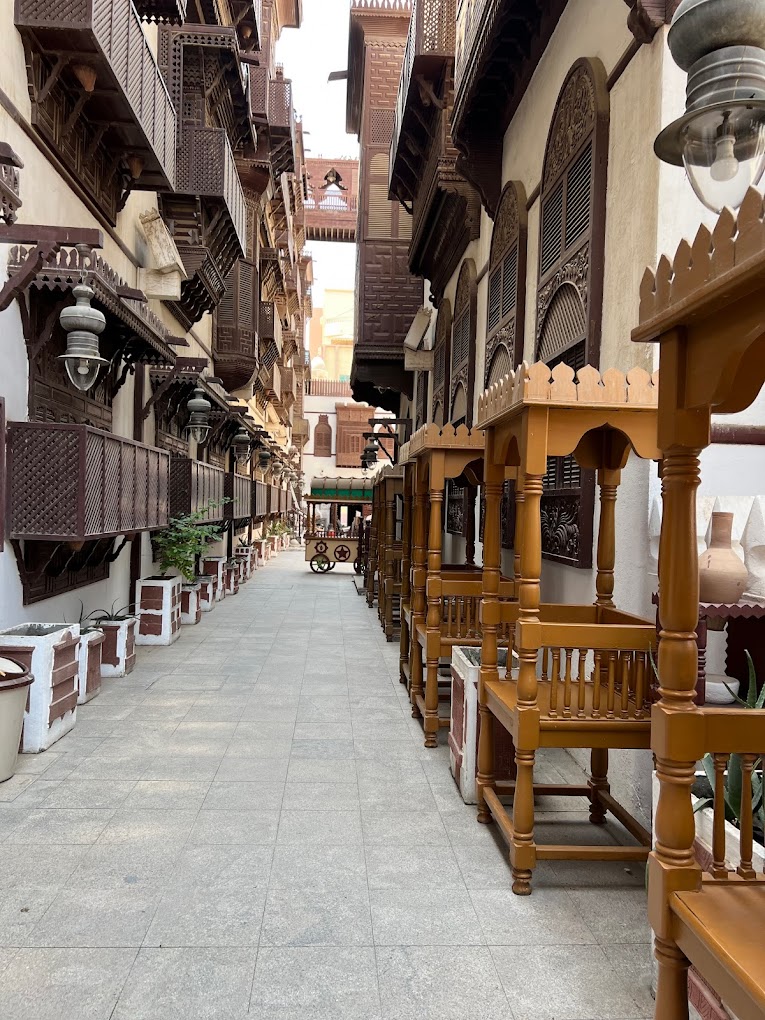
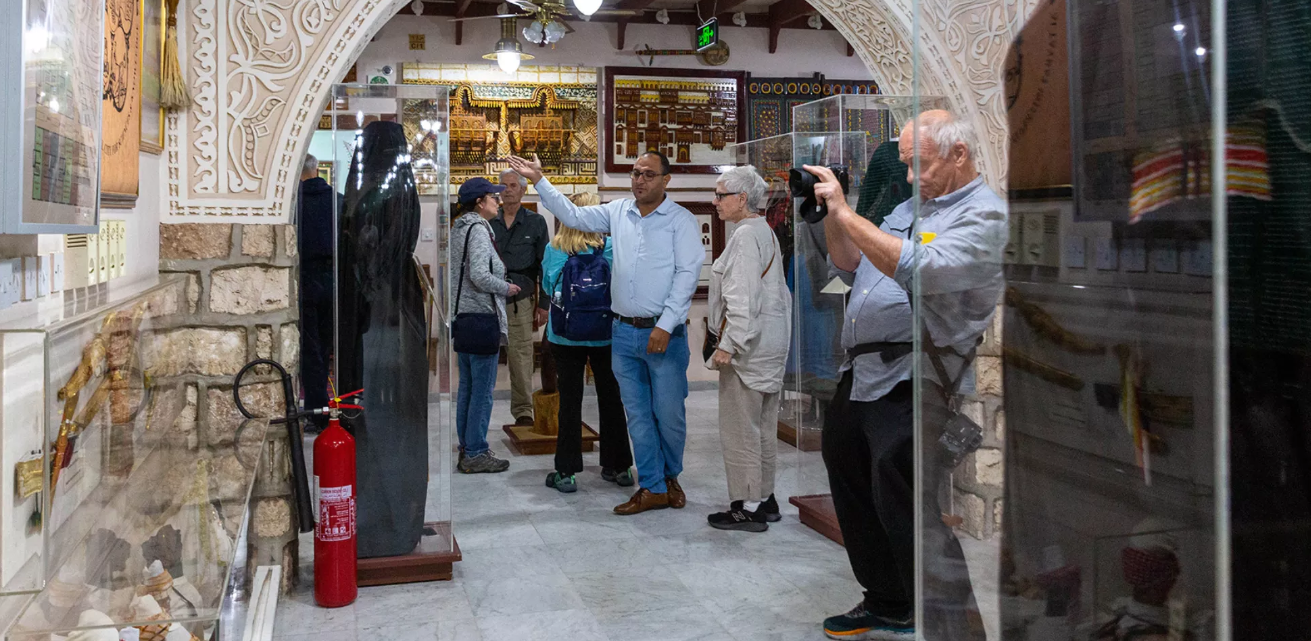

Tayebat Museum
Tayebat Museum in Jeddah is a fascinating place where you can explore the past. It’s like a treasure chest filled with old things like ancient artifacts, traditional clothes, and cool displays. You can learn about Saudi Arabian history and how people used to live. It’s a journey back in time.
Images from: Google | Visit Saudi
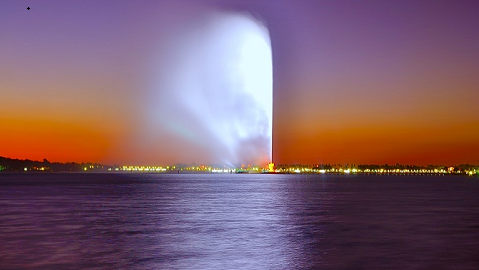
King Fahd’s Fountain
Located on the west coast of Saudi Arabia, the fountain jets water to a maximum height of 260 metres (853 ft). The fountain was donated to the city of Jeddah by King Fahd, hence its name. It was constructed between 1980 and 1983 and was launched in 1985.
Images from: Google
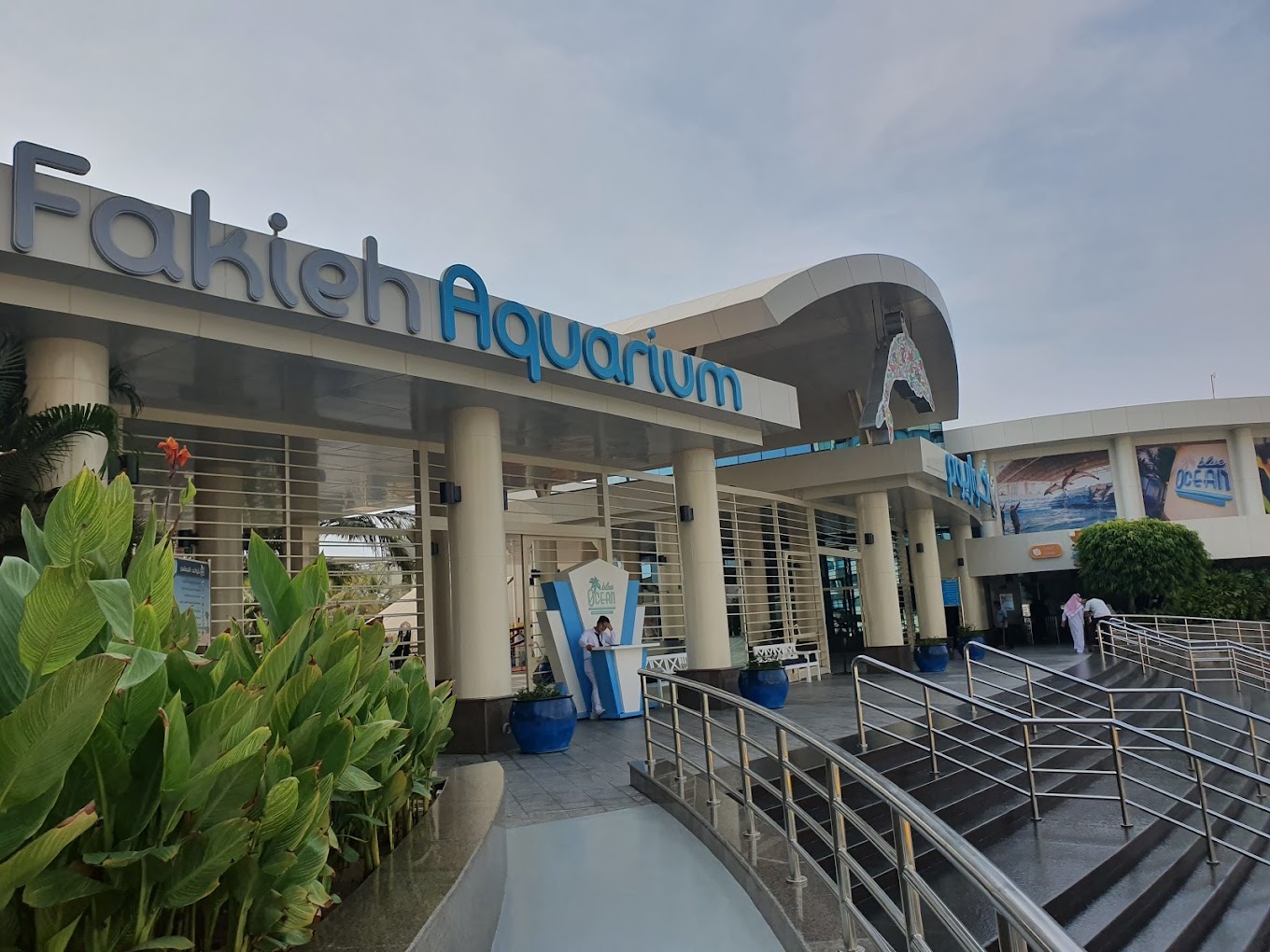
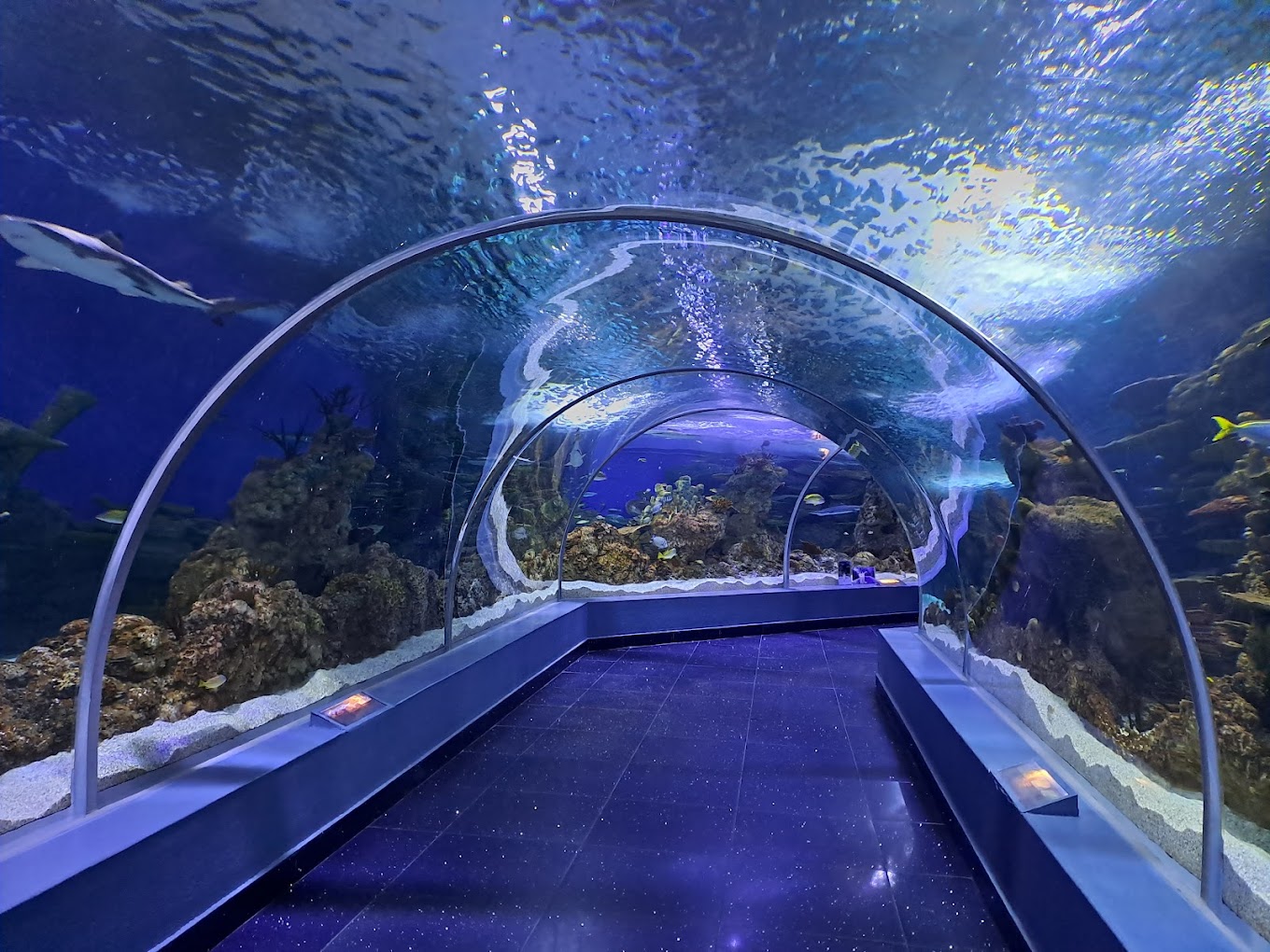
Fekieh Aquarium
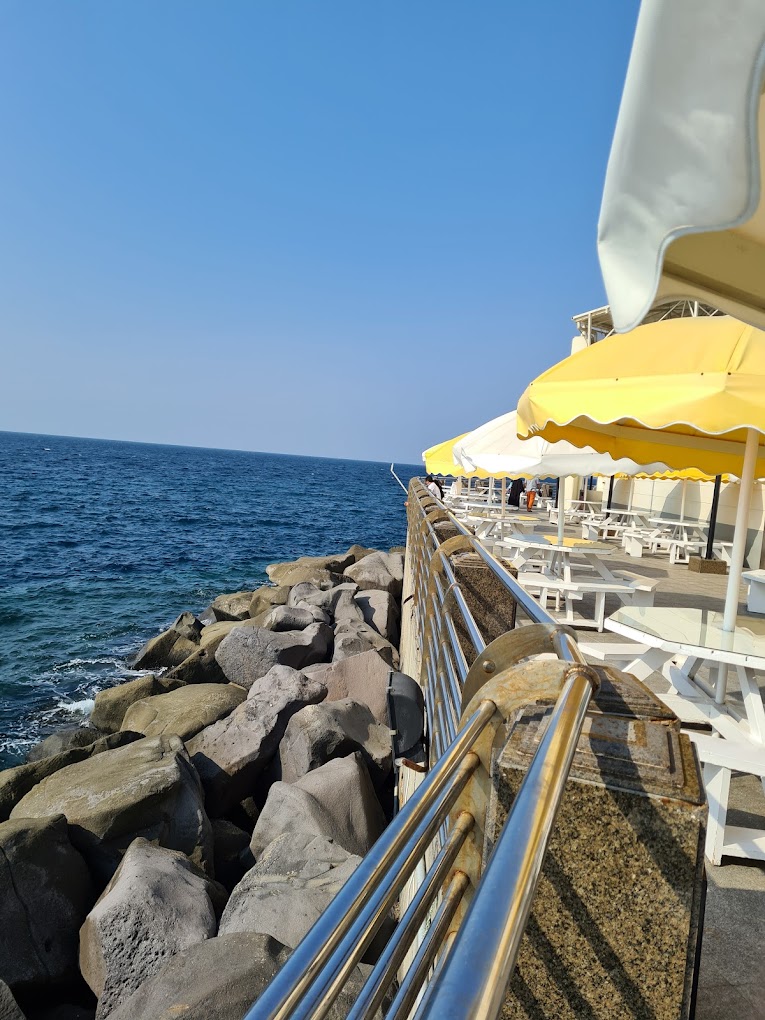
Fakieh Aquarium in Jeddah is a captivating underwater world. It’s like a big fish tank with colorful fish, sharks, and even penguins. You can walk through a tunnel and see everything swimming above you. It’s a fun place to learn about marine life and have a great time.
Images from: Google
Al-Balad
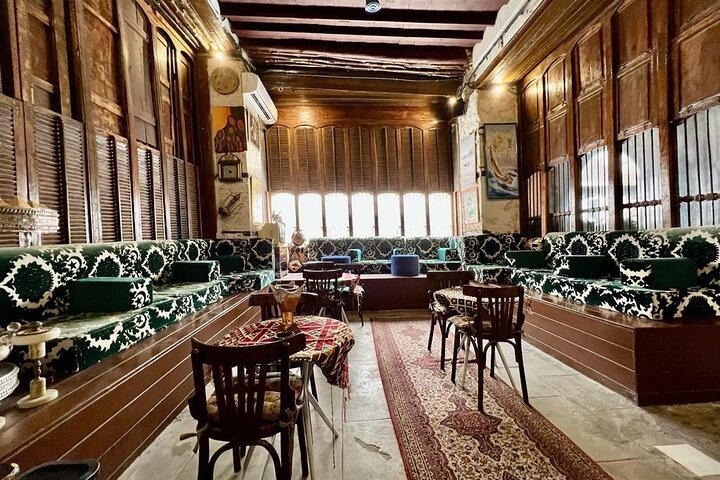
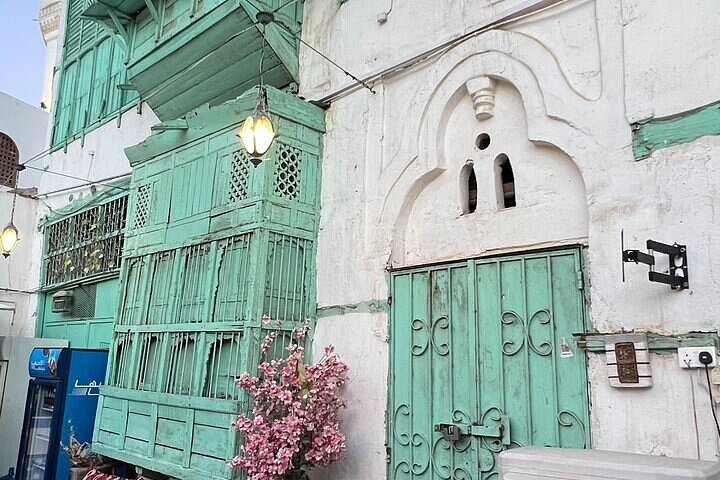
Al-Balad in Jeddah is like a magical old town. It has narrow streets, fancy buildings, and lively markets. It’s a special place with a long history where people used to trade and live. It’s a bit like a storybook with old markets and important places from the past.
Images from: Google
Jeddah Corniche
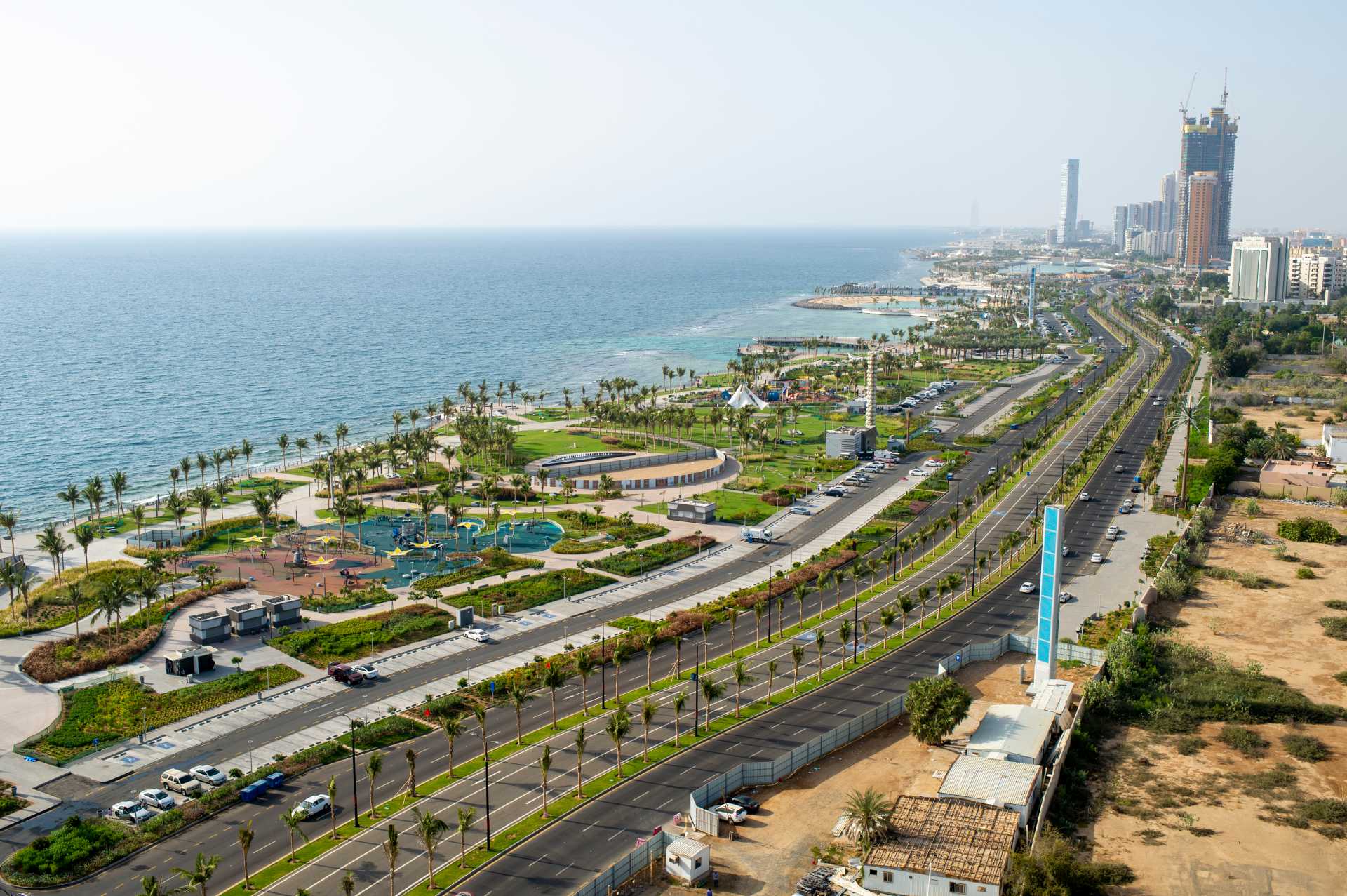
Stretching along the Red Sea coast in Jeddah, the New Jeddah Corniche covers 30 kilometers. It features a seaside road, a place for fun activities, sculptures, and the famous King Fahad’s Fountain, the world’s tallest fountain.
Images from: Welcome to Saudi
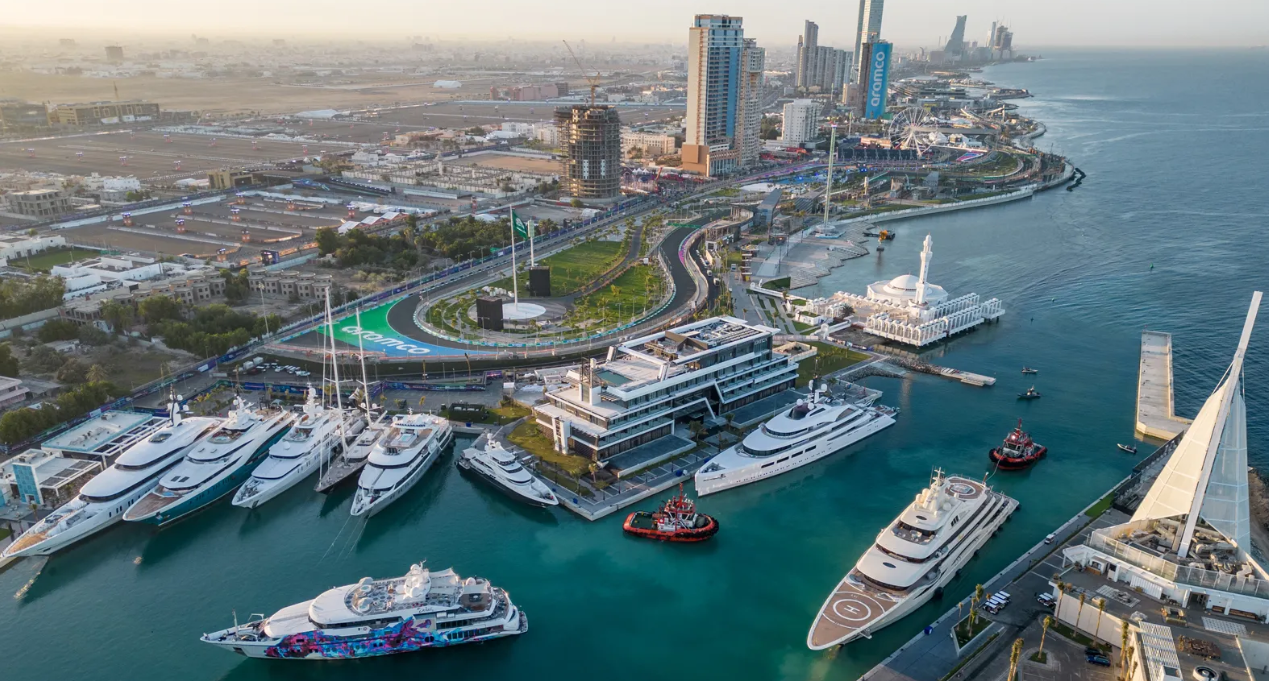
Jeddah Yacht Club
Jeddah Yacht Club is a place where people who love boats come together. It’s like a special club by the sea where you can see different types of boats and even learn how to sail. It’s a fun spot for people who enjoy being on the water and making new friends.
Images from: Boat International
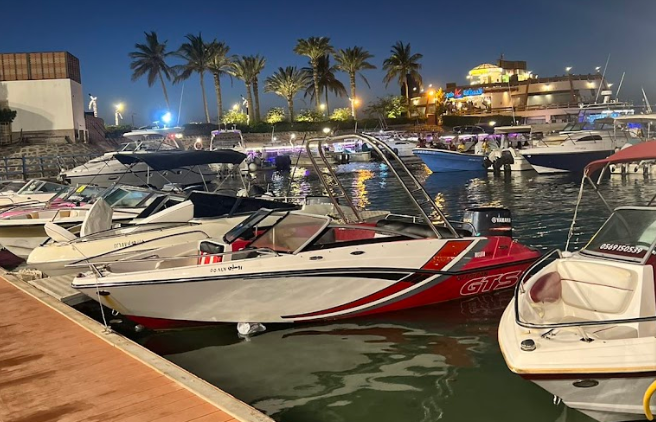
Cruise Trips
Cruise trips in Jeddah are like exciting sea adventures. You get on a big boat and sail on the sparkling waters of the Red Sea. You can relax, enjoy the view, and maybe even spot dolphins. It’s a great way to have a different kind of fun by the sea.
Images from: Google
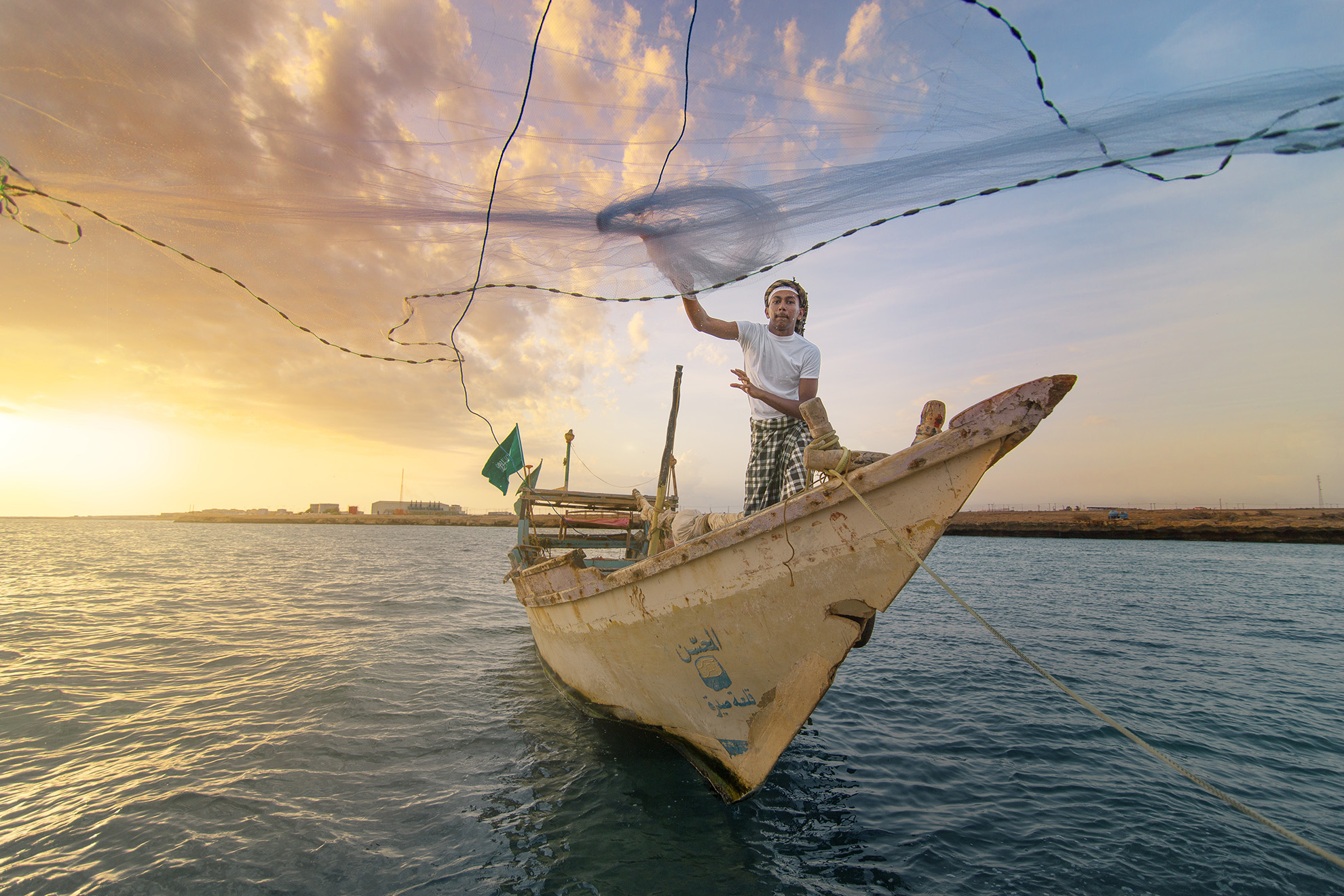
Fishing in Jeddah
Fishing in Jeddah is a thrilling sea activity. You can cast your line into the Red Sea’s turquoise waters and try to catch different types of fish. It’s a relaxing way to spend time by the water and enjoy the outdoors while hoping for a big catch.
Images from: Google | Visit Saudi
Food/Shopping
Our Top 3 Restaurants in Jeddah
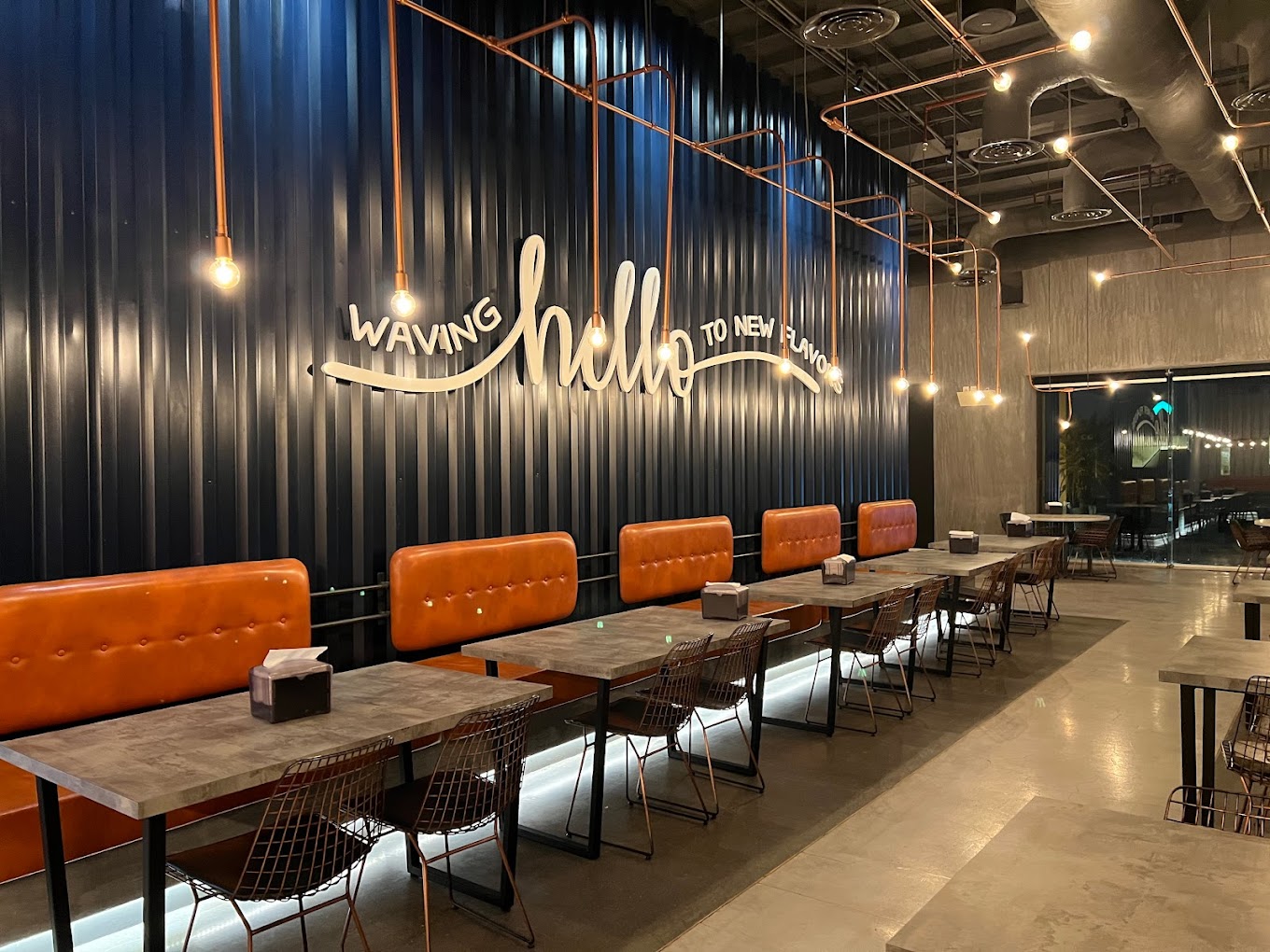
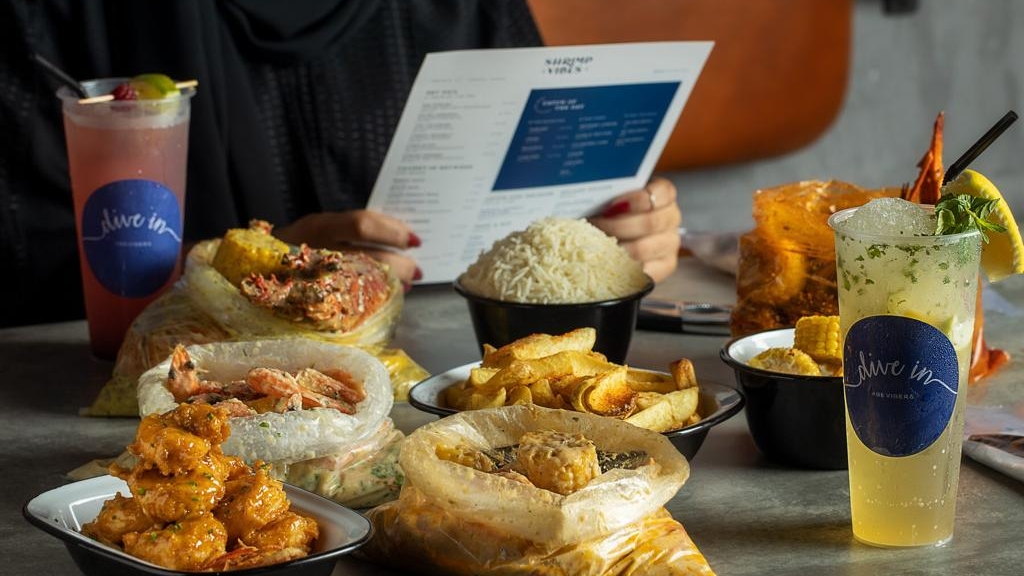
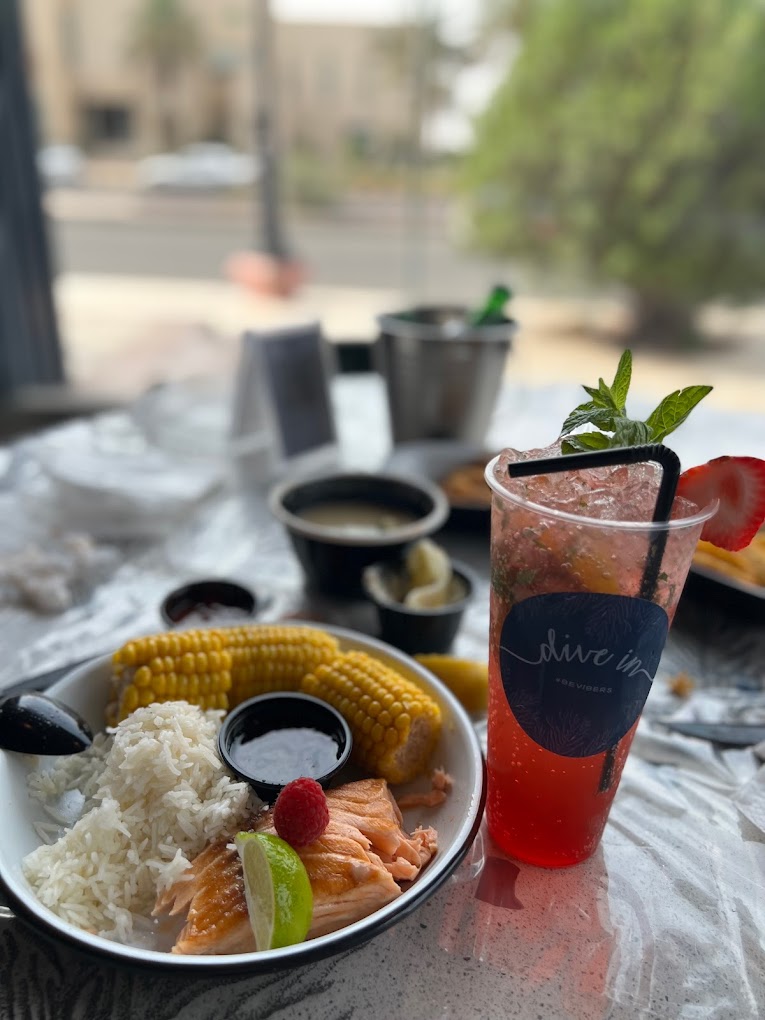
Shrimp vibes
Service options: Dine-in · Takeaway · No-contact delivery
Image: Google
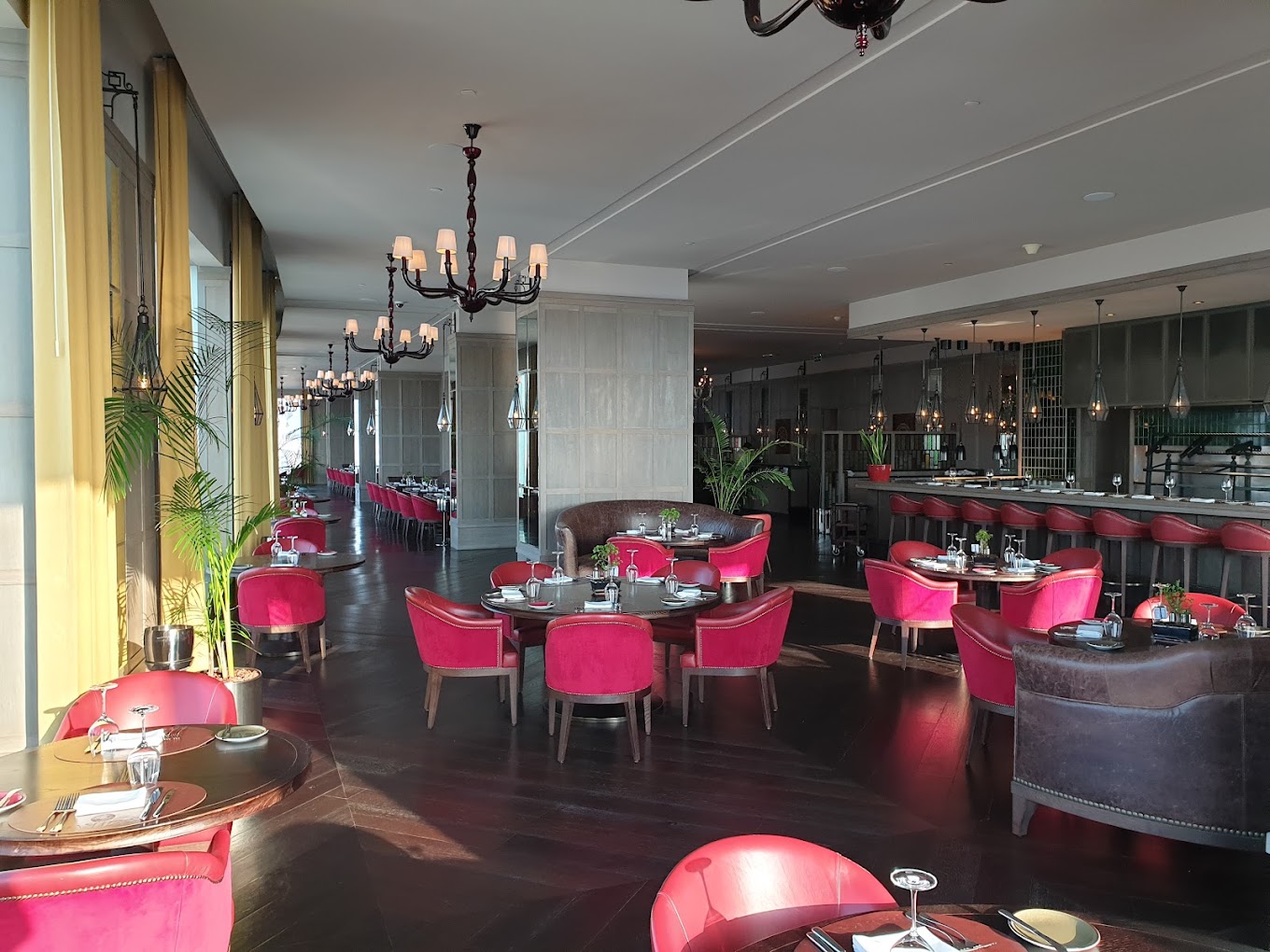
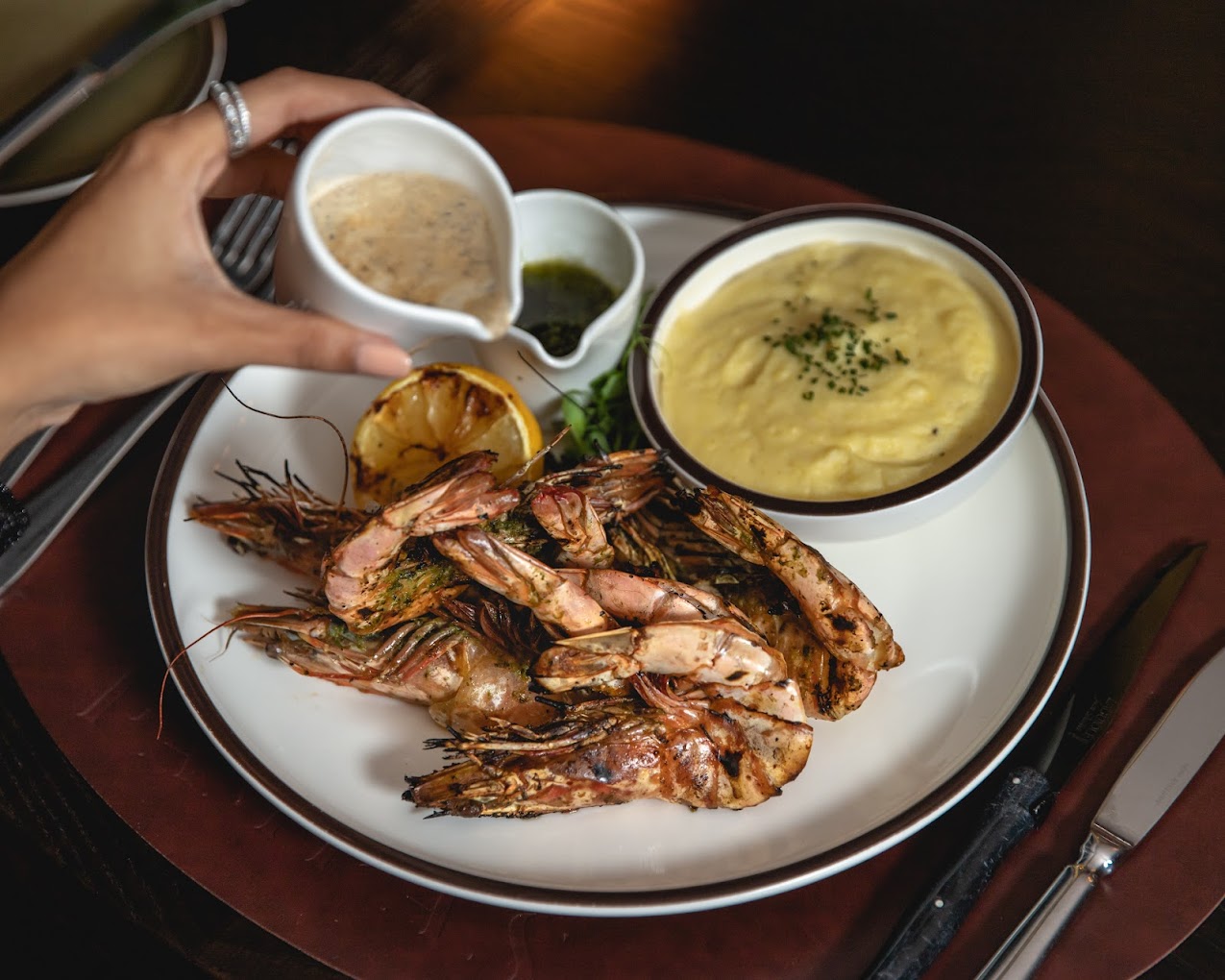
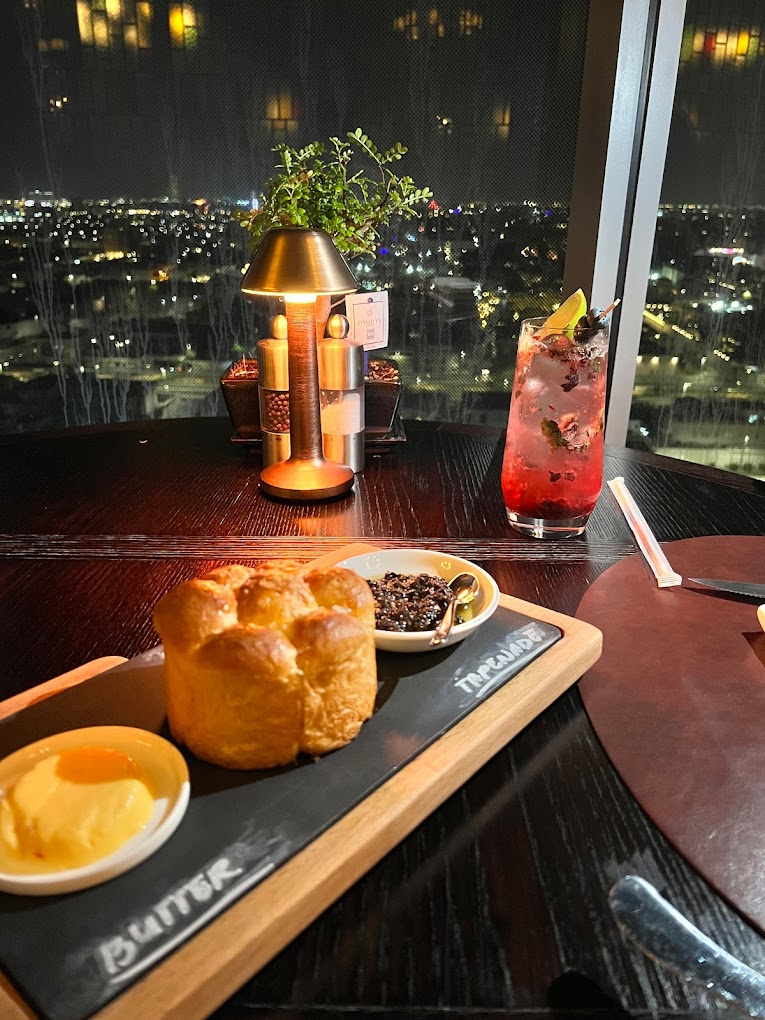
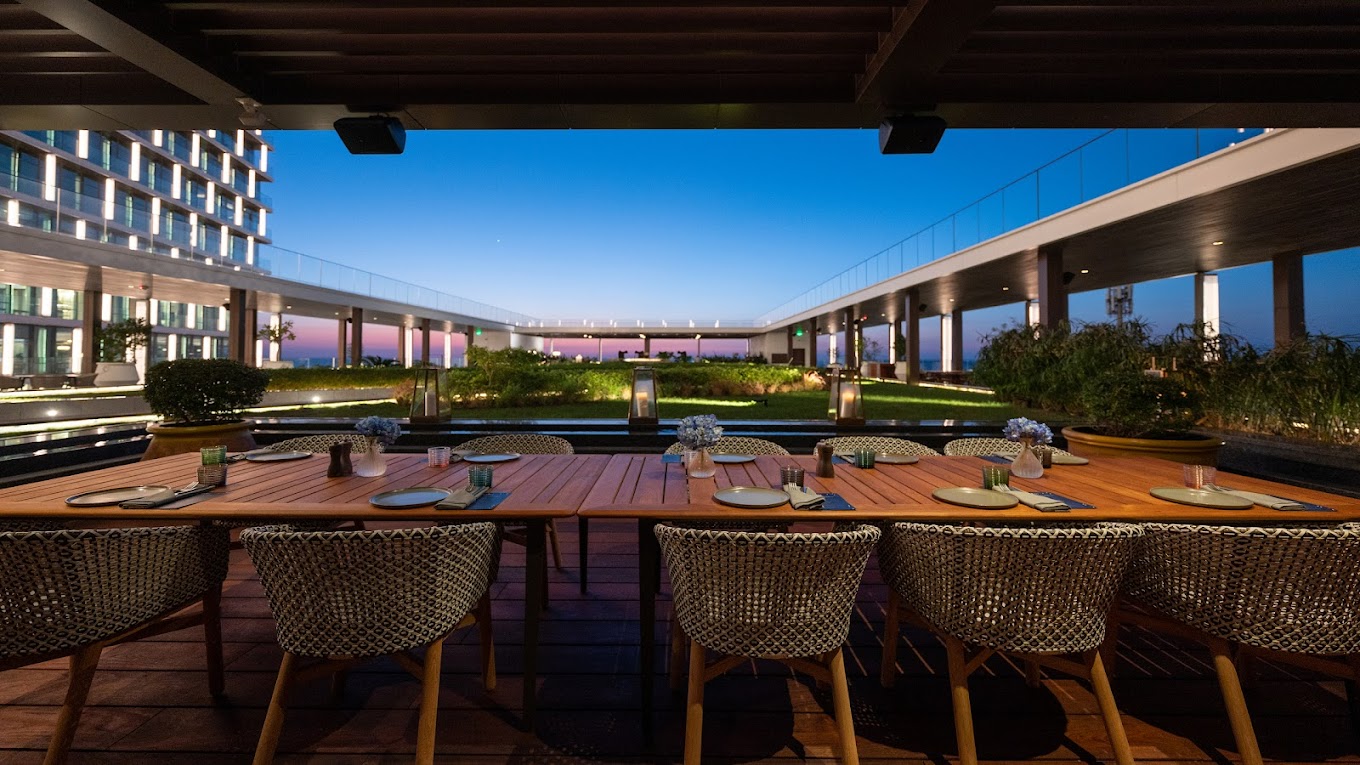
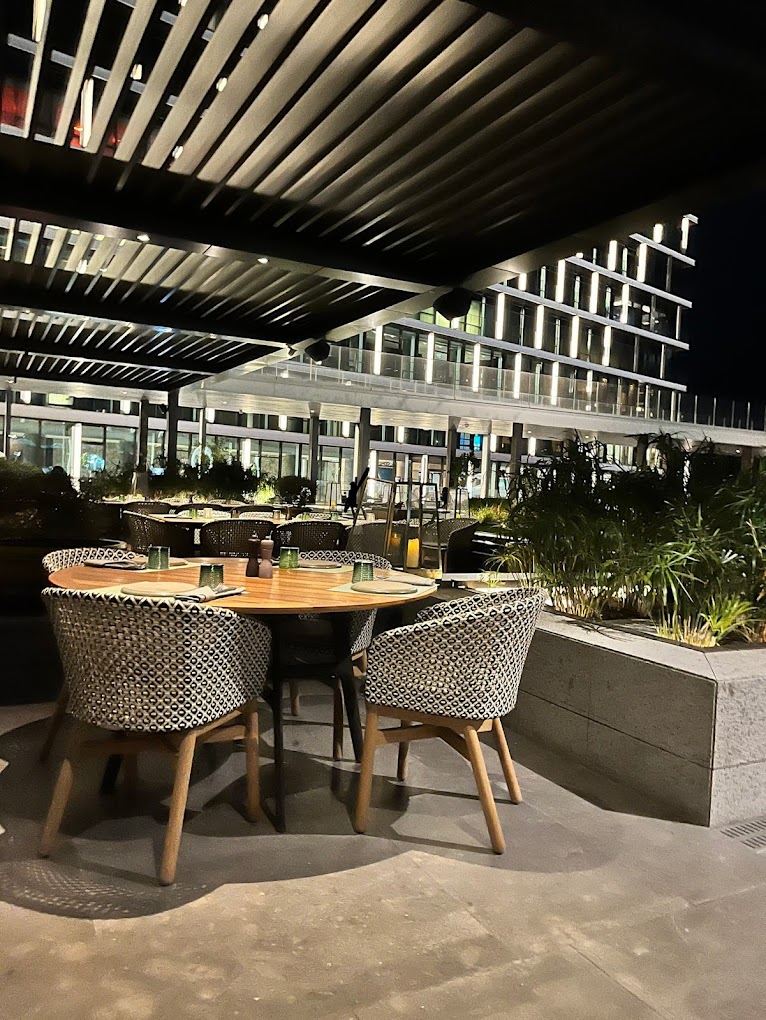
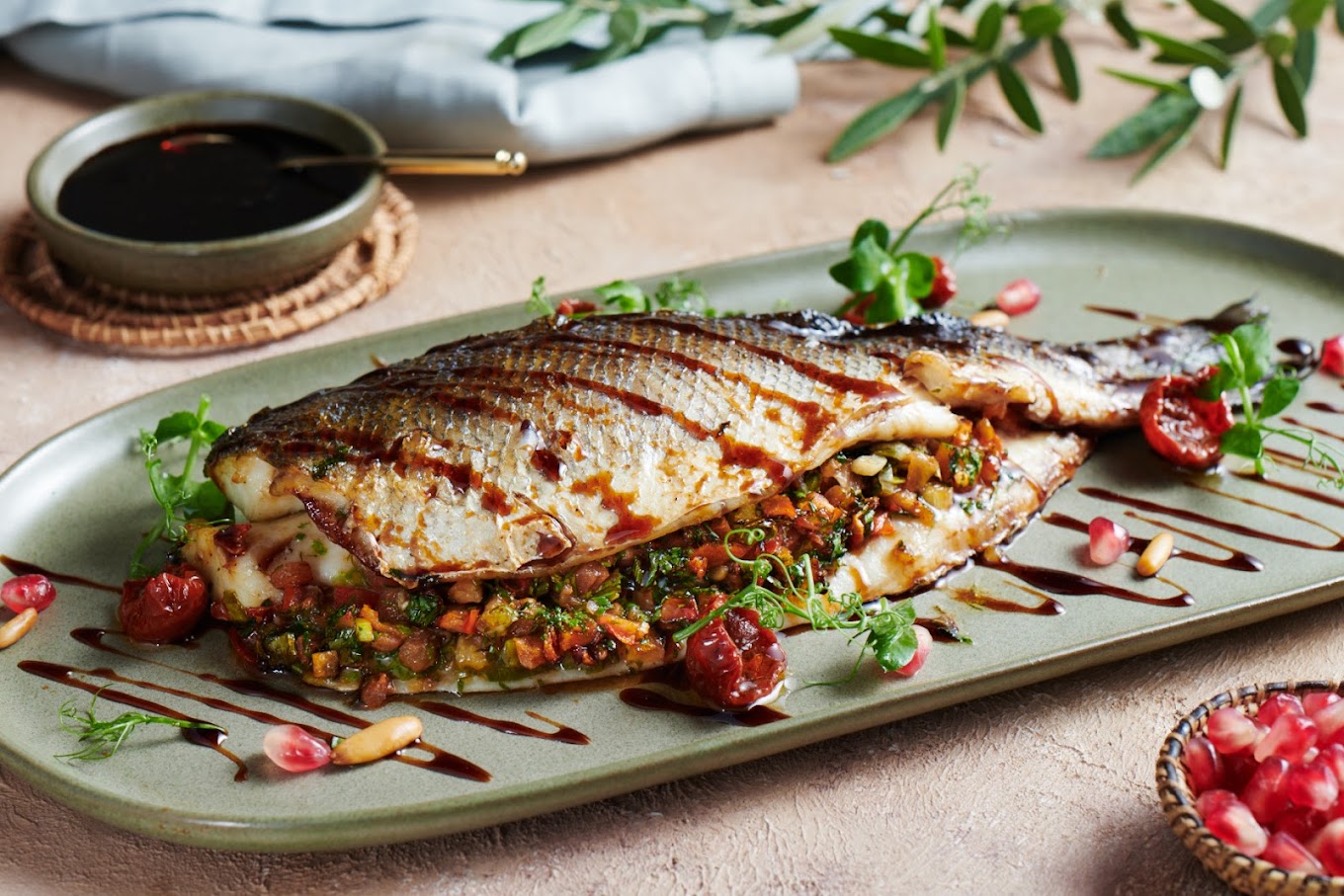
Pampas Latin American Cuisine
Service options: Dine-in · Takeaway · No-contact delivery
Images from: Google
Testimonials
See what Our Visitors are Saying


Bob A
Trip Advisor
Everything on the corniche is beautiful and peaceful. Its so spacious to walk, run and ride a bike especially after the its been extended more. Kids enjoy the grass n small like hills . You get to enjoy the fresh air . One can enjoy the stunning sea , mosques , gardens and other buildings. Have a picnic or BBQ with family . Its our every week place to visit .
Elaine N
Trip Advisor
Hisham S.SWK
Trip Advisor
Top Destinations in Saudi Arabia