Al Ula: Unveiling the Timeless Beauty of Arabia
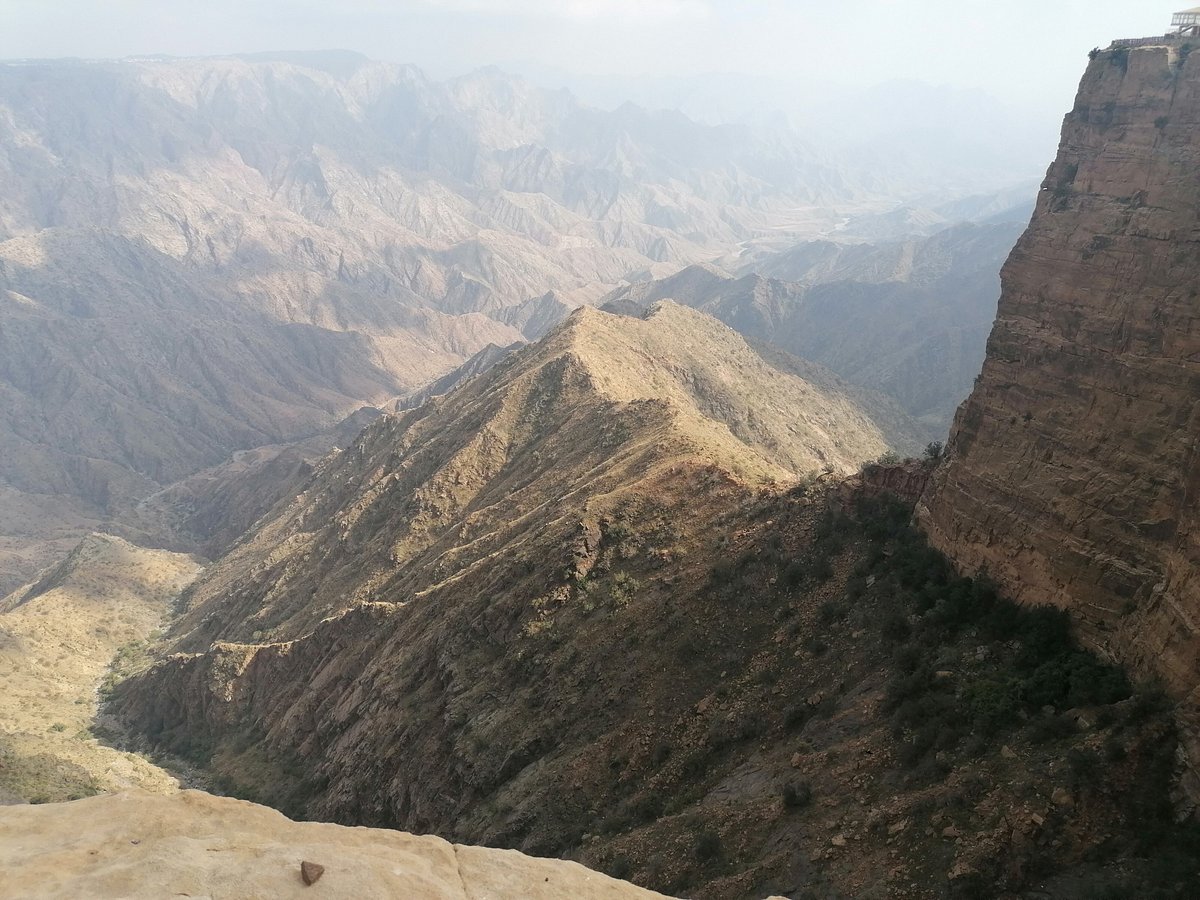
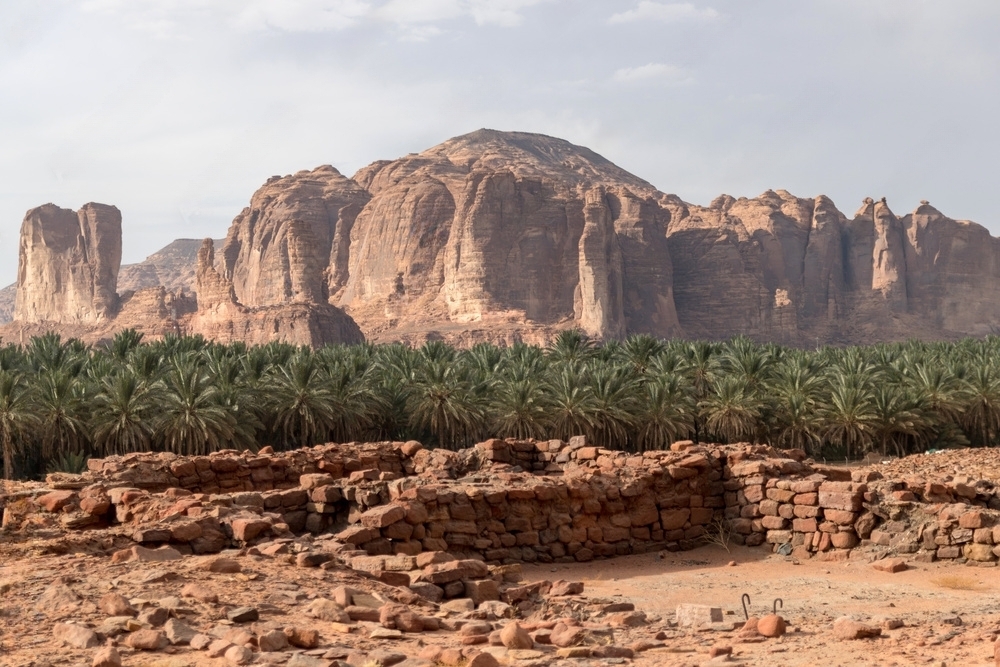
Nestled in the heart of Saudi Arabia, Al Ula stands as a timeless treasure, a living canvas of history, nature, and culture. This hidden gem enchants visitors with its awe-inspiring rock formations, ancient tombs, and breathtaking landscapes that have witnessed millennia unfold. The extraordinary Nabatean city of Hegra, a UNESCO World Heritage site, unveils the secrets of a bygone era. Al Ula’s captivating aura extends beyond history, inviting adventure enthusiasts to hike through its majestic canyons and experience the desert’s serenity.
A journey to Al Ula is a pilgrimage through time, where past meets present in a harmonious embrace. This oasis of wonder promises an immersive escape, igniting the imagination and offering a rare glimpse into the splendor of Arabia’s rich heritage.
Al Ula

Your Guide to Al Ula
For those embarking on their journey to Saudi Arabia from abroad, it is essential to obtain an e-Visa before commencing your trip. Once you've secured your e-Visa, you're all set to proceed with your travel preparations, including packing your bags and making reservations for tickets and accommodations.
Check Eligibility
Learn More
- Respect Local Customs: Saudi Arabia is a conservative country with strict adherence to Islamic traditions. It’s important to respect local customs, dress modestly, and be mindful of local sensitivities.
- Visa Requirements: Check the visa requirements for your country before planning your trip. Ensure you obtain the necessary visa or e-visa well in advance.
- Weather and Clothing: Pack appropriate clothing based on the time of year you’re visiting. Summers can be extremely hot, so light and breathable clothing is essential. Also, bring a scarf or shawl to cover your head when entering religious sites.
- Currency: The official currency is the Saudi Riyal (SAR). Familiarize yourself with the current exchange rates and carry some local currency for small purchases.
- Language: Arabic is the official language, but English is widely understood, especially in major cities and tourist areas.
- Local Laws and Customs: Be aware of the local laws and regulations, including restrictions on photography, public behavior, and the consumption of alcohol.
- Prayer Times: Respect the call to prayer (Adhan) five times a day. During prayer times, some shops and attractions may close briefly.
- Health and Hygiene: Stay hydrated, especially in the hot weather, and carry a water bottle with you. Also, avoid drinking tap water and consume bottled water.
- Photography: Always ask for permission before taking photos of people, especially women. Photography of sensitive government buildings and military installations is strictly prohibited.
- Transportation: Plan your transportation in advance. Major cities have taxis and ride-hailing services, but public transportation might be limited in some areas.
- Cultural Sites: Show respect when visiting religious sites, such as mosques and historical landmarks. Dress modestly and remove your shoes before entering mosques.
- Shopping and Bargaining: Bargaining is a common practice in local markets (souks). Be polite and friendly while negotiating prices.
- Food: Enjoy Saudi Arabian cuisine but be mindful of any food allergies or dietary restrictions. Seek out local restaurants for an authentic experience.
- Useful Contacts: Keep a list of useful contacts, including your country’s embassy or consulate in Saudi Arabia, local emergency numbers, and your hotel’s contact information.
- Internet Access: Check with your mobile service provider regarding international roaming or consider purchasing a local SIM card for internet access during your stay.
Remember, Saudi Arabia has its unique cultural identity, and being aware of and respecting local customs will enhance your travel experience. Embrace the rich heritage, warm hospitality, and captivating landscapes that Saudi Arabia has to offer.
- Hello – مرحبا (Marhaba)
- Good morning – صباح الخير (Sabah al-khayr)
- Good afternoon – مساء الخير (Masa’ al-khayr)
- Yes – نعم (Na’am)
- No – لا (La)
- Thank you – شكرا (Shukran)
- Please – من فضلك (Min fadlik)
- Excuse me – عفواً (Afwan)
- How are you? – كيف حالك؟ (Kayfa halak?)
- I’m fine, thank you – أنا بخير، شكراً (Ana bikhair, shukran)
- What is your name? – ما اسمك؟ (Ma ismuka?)
- My name is… – اسمي… (Ismi…)
- Where is…? – أين…؟ (Ayna…?)
- How much does this cost? – بكم هذا؟ (Bikam hadha?)
- I don’t understand – لا أفهم (La afham)
- Can you help me? – هل يمكنك مساعدتي؟ (Hal yumkinuka musa’adati?)
Do I need a visa to visit Saudi Arabia?
Most foreign visitors require a visa to enter Saudi Arabia. Check the visa requirements for your country and apply for the appropriate visa well in advance of your travel dates.
What is the best time to visit Saudi Arabia?
The best time to visit Saudi Arabia is during the cooler months, from November to February, when the weather is more pleasant for outdoor activities.
What should I wear in Saudi Arabia?
Saudi Arabia has a conservative dress code. Men should wear long pants and shirts with sleeves. Women should wear loose-fitting, ankle-length clothing, and cover their heads with a scarf when entering mosques or public places.
Is it safe to travel to Saudi Arabia?
Saudi Arabia is generally considered safe for travelers. However, it's essential to stay informed about any travel advisories and respect local customs and laws.
Can I drink alcohol in Saudi Arabia?
No, alcohol is strictly prohibited in Saudi Arabia, both in public places and private residences.
What is the currency used in Saudi Arabia?
The official currency is the Saudi Riyal (SAR). Major credit cards are widely accepted in urban areas, but it's advisable to carry some cash for smaller purchases.
Is it acceptable to take photographs in Saudi Arabia?
Generally, photography is allowed, but it's essential to seek permission before photographing people, especially women. Photography is strictly prohibited in sensitive areas such as military installations.
What are the emergency contact numbers in Saudi Arabia?
The general emergency number in Saudi Arabia is 999. For police, dial 911, and for medical emergencies, dial 997.
Can I use my mobile phone in Saudi Arabia?
Yes, international roaming is available in Saudi Arabia for most mobile service providers. Alternatively, consider purchasing a local SIM card for better rates.
Are there any cultural or religious restrictions I should be aware of?
Yes, Saudi Arabia follows strict Islamic traditions. Respect local customs, especially during prayer times when some shops and attractions may close temporarily.
Is it safe for solo female travelers to visit Saudi Arabia?
Saudi Arabia is generally safe for female travelers. However, it's essential to dress modestly and be mindful of local customs to ensure a comfortable and respectful experience.
Are there any restrictions on bringing medication into Saudi Arabia?
Some medications, including certain prescription drugs, may be restricted in Saudi Arabia. Check with the Saudi Arabian embassy or consulate in your country for the latest information.
Remember, always check for updated travel advisories and familiarize yourself with local laws and customs before traveling to Saudi Arabia.

Top Attractions
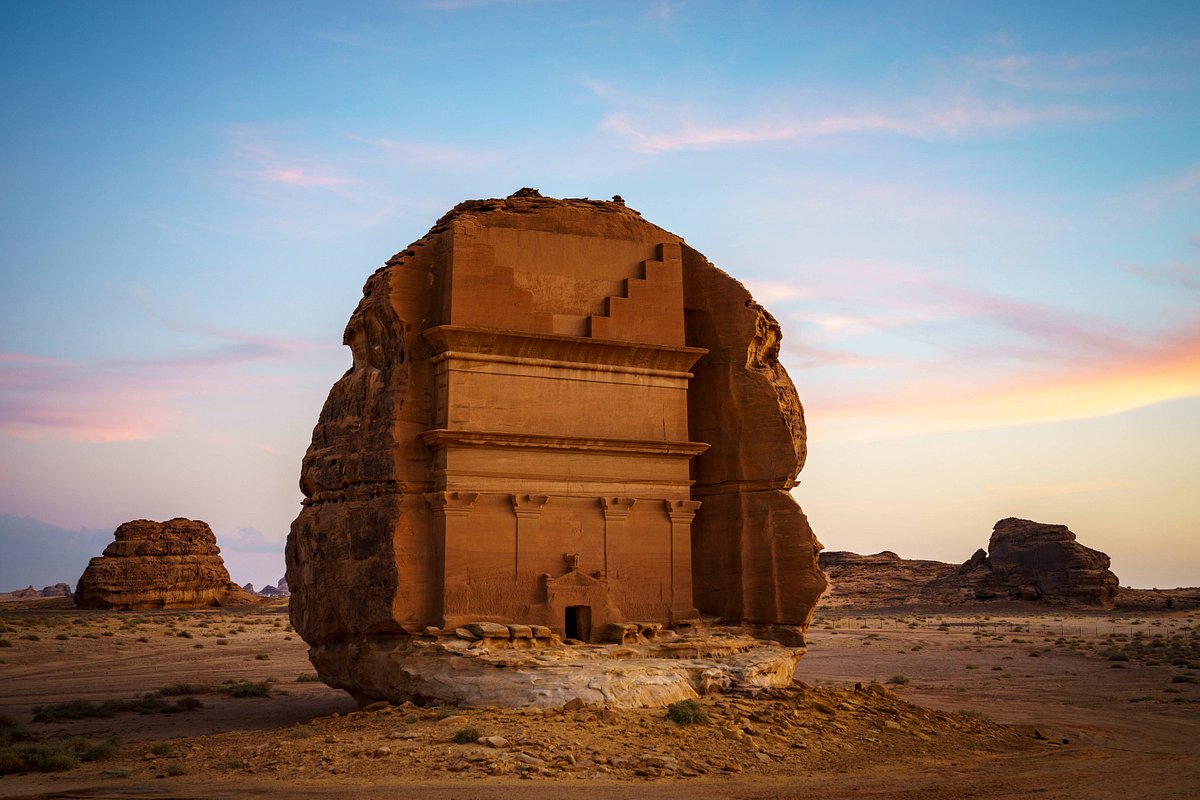
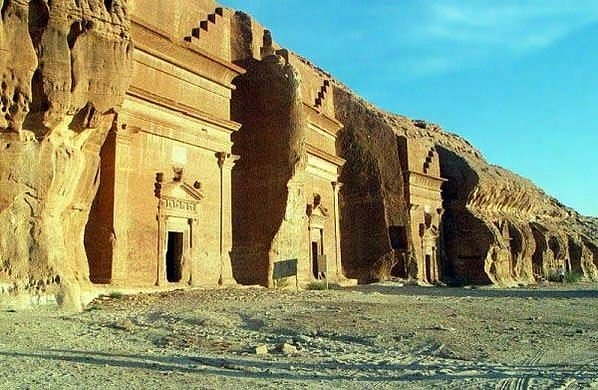
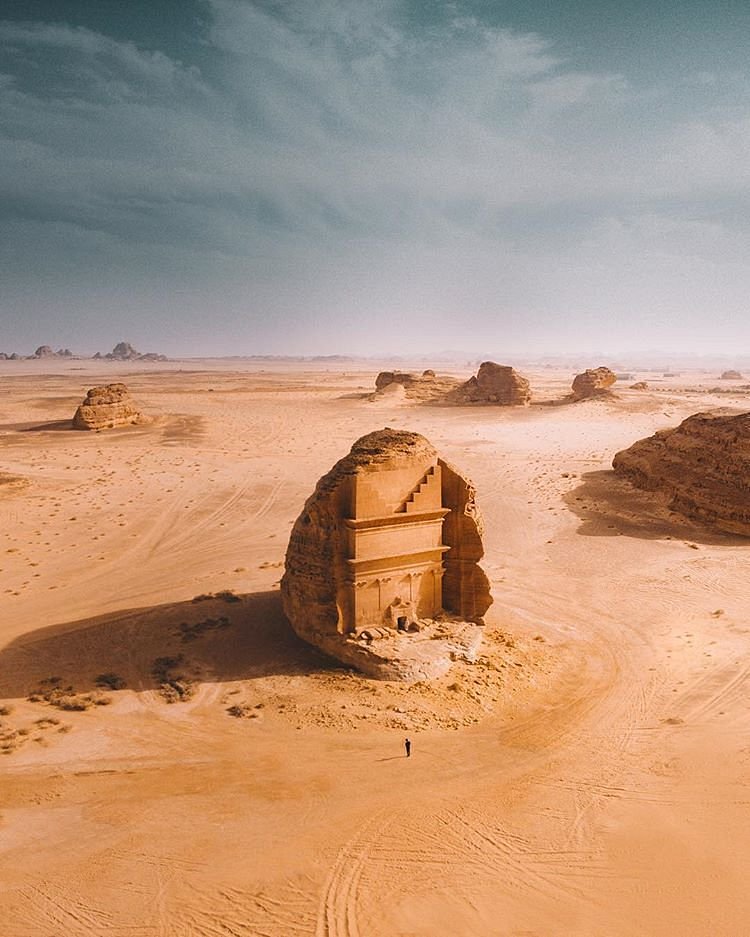

Hegra (Mada’in Saleh):
A UNESCO World Heritage site, Hegra boasts well-preserved Nabatean tombs and ancient rock-cut architecture.
Images from: Trust Advisor

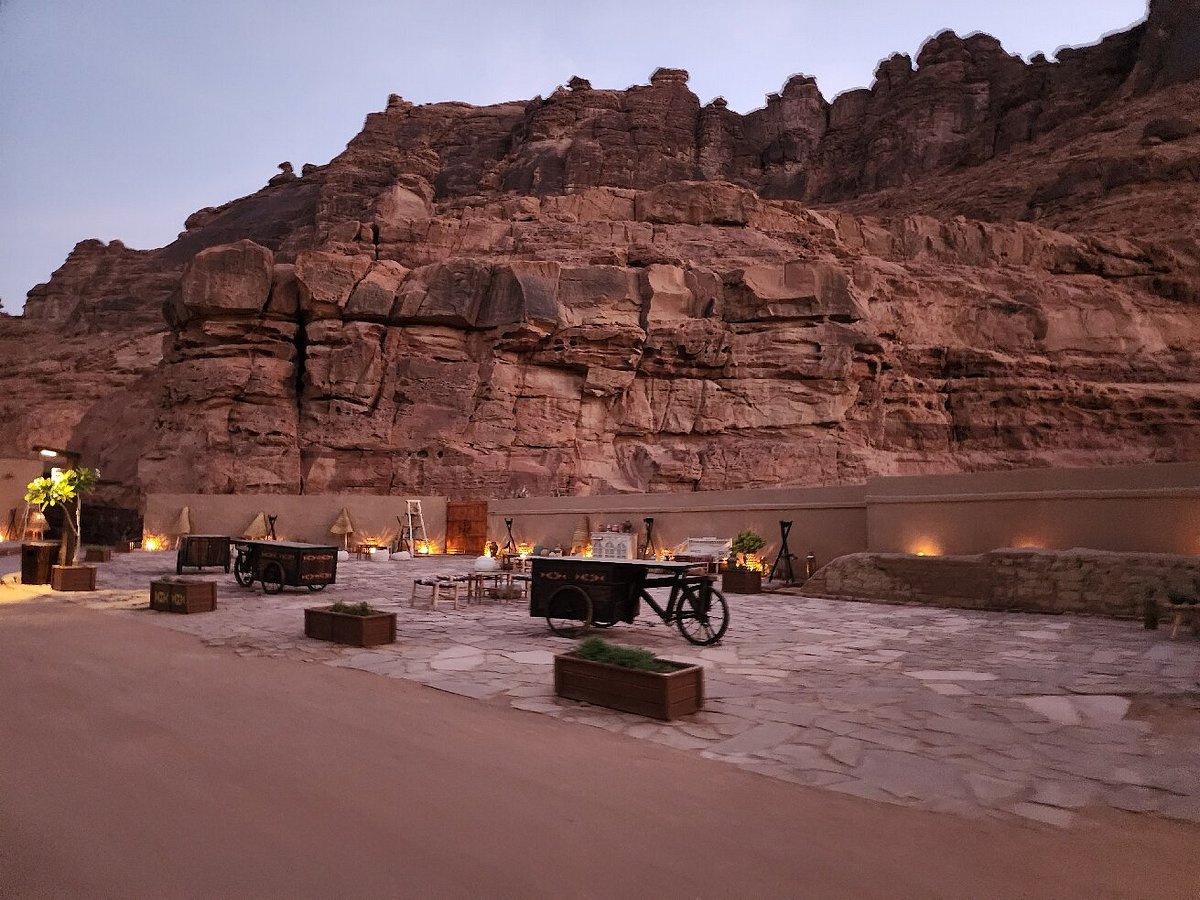
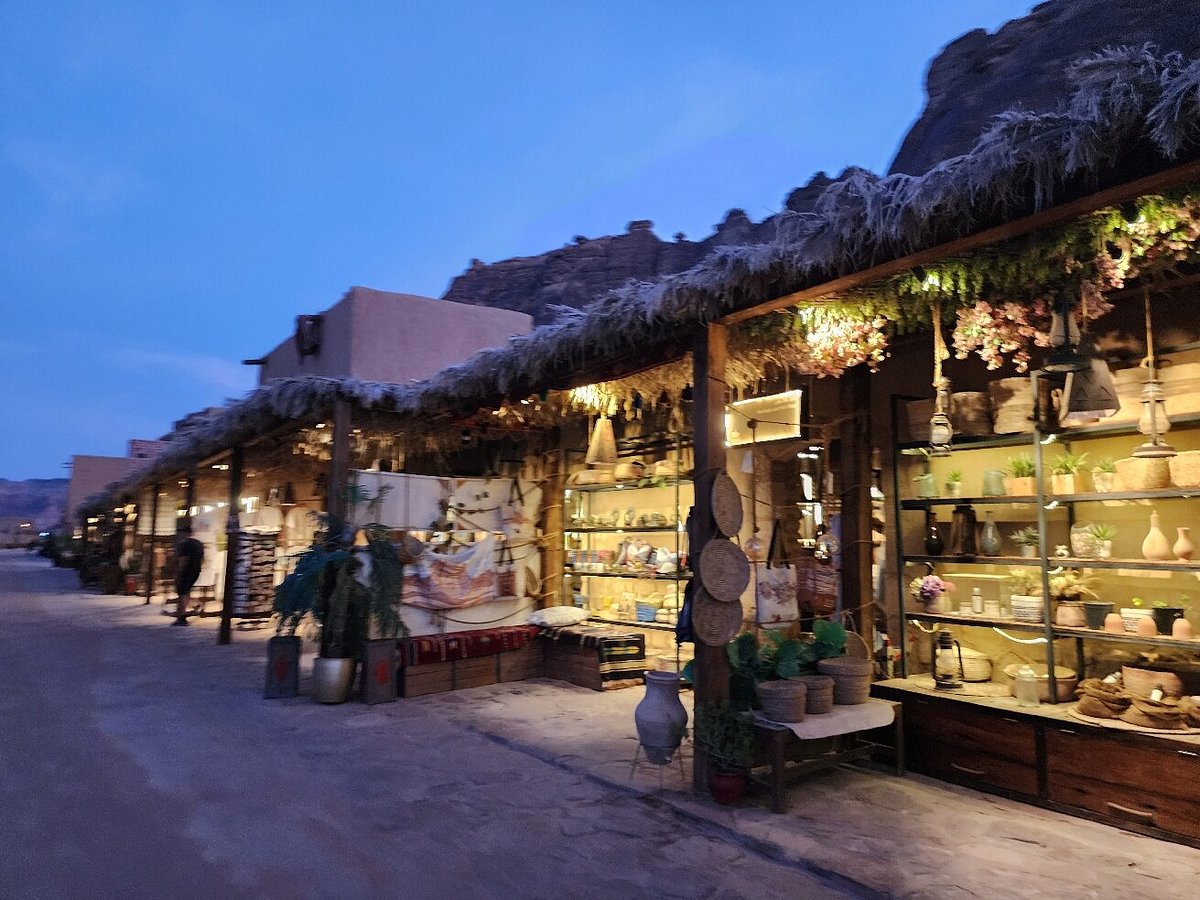
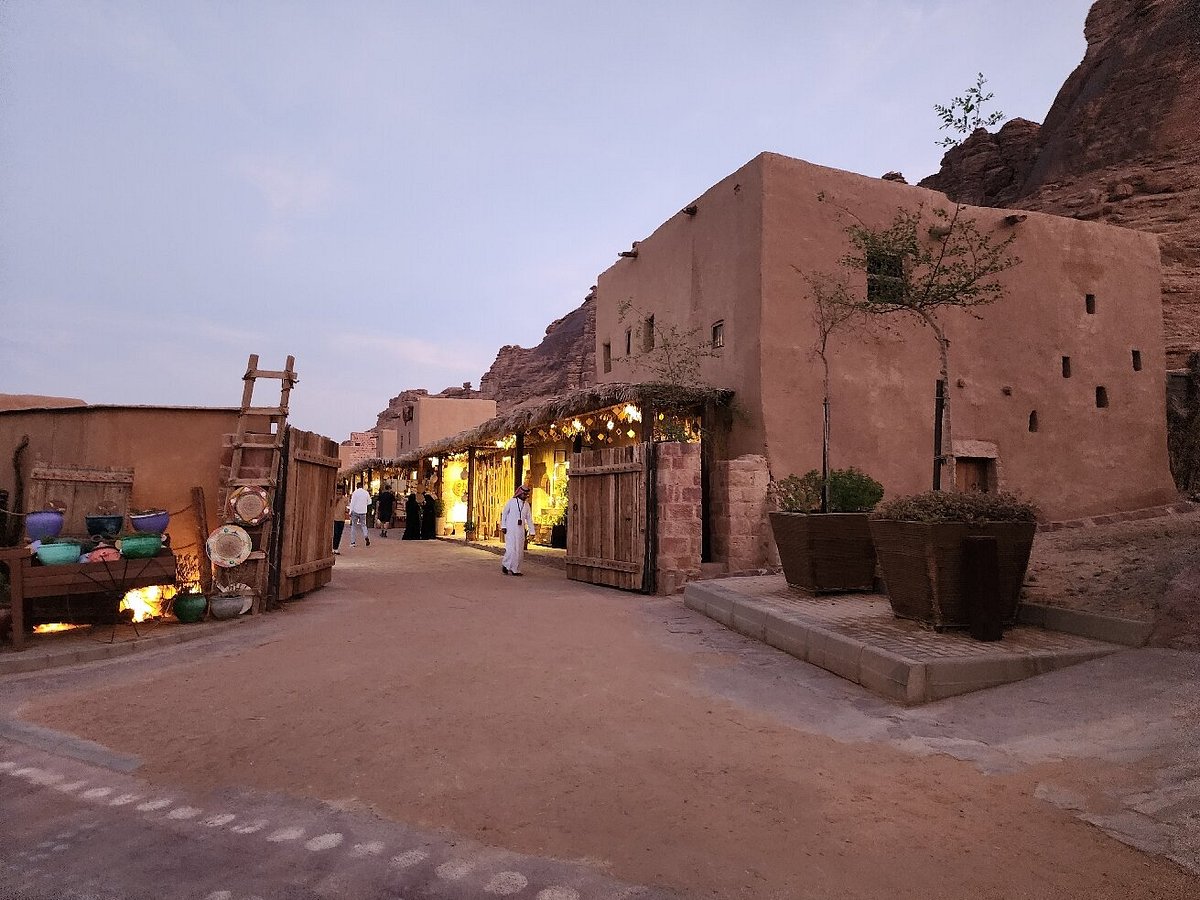
AlUla Old Town
A charming historic village with mud-brick buildings and traditional architecture.
Images from: Trust Advisor
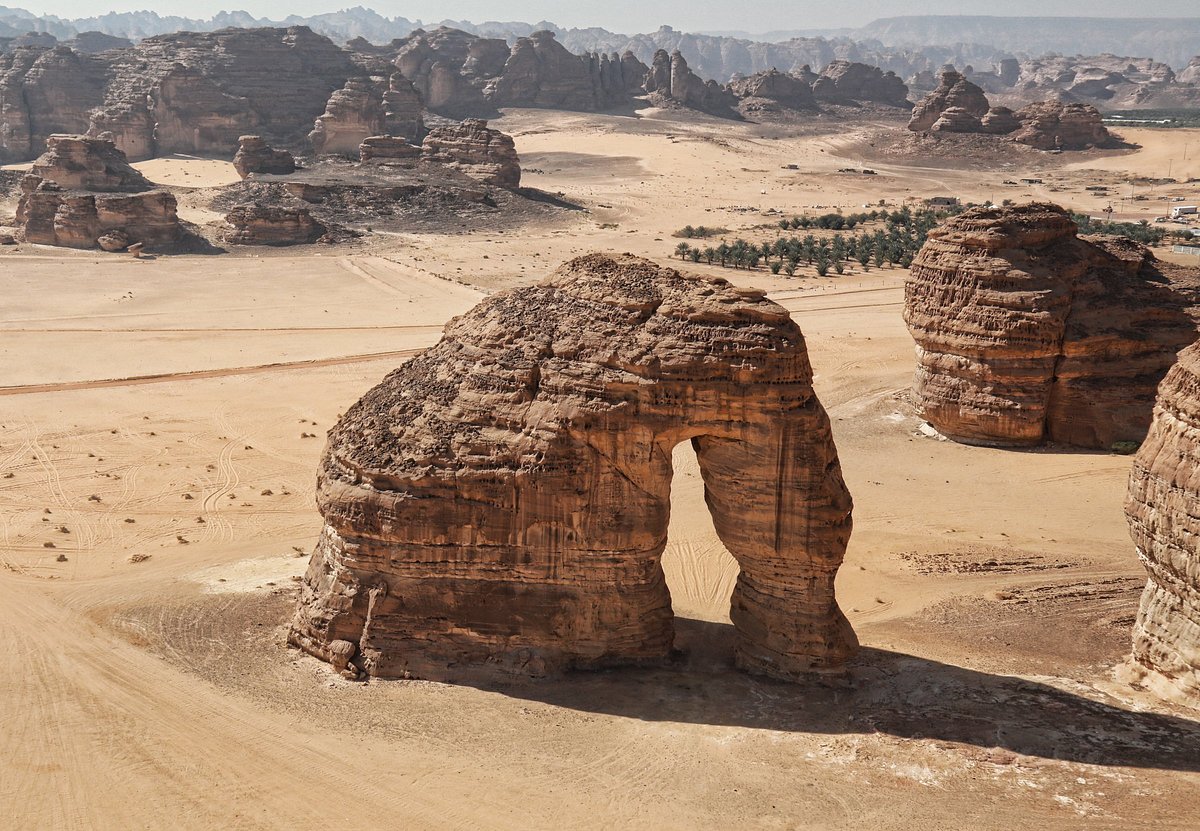
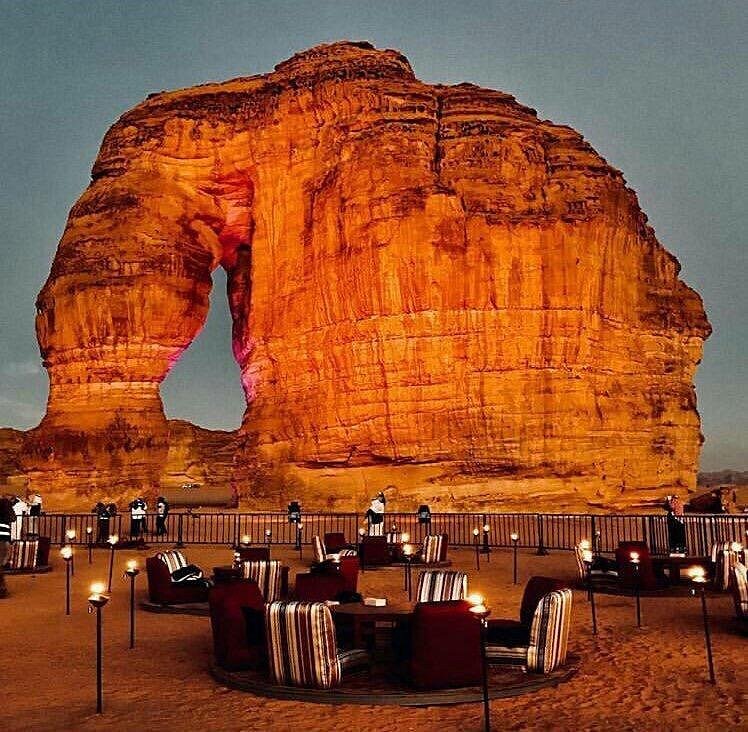
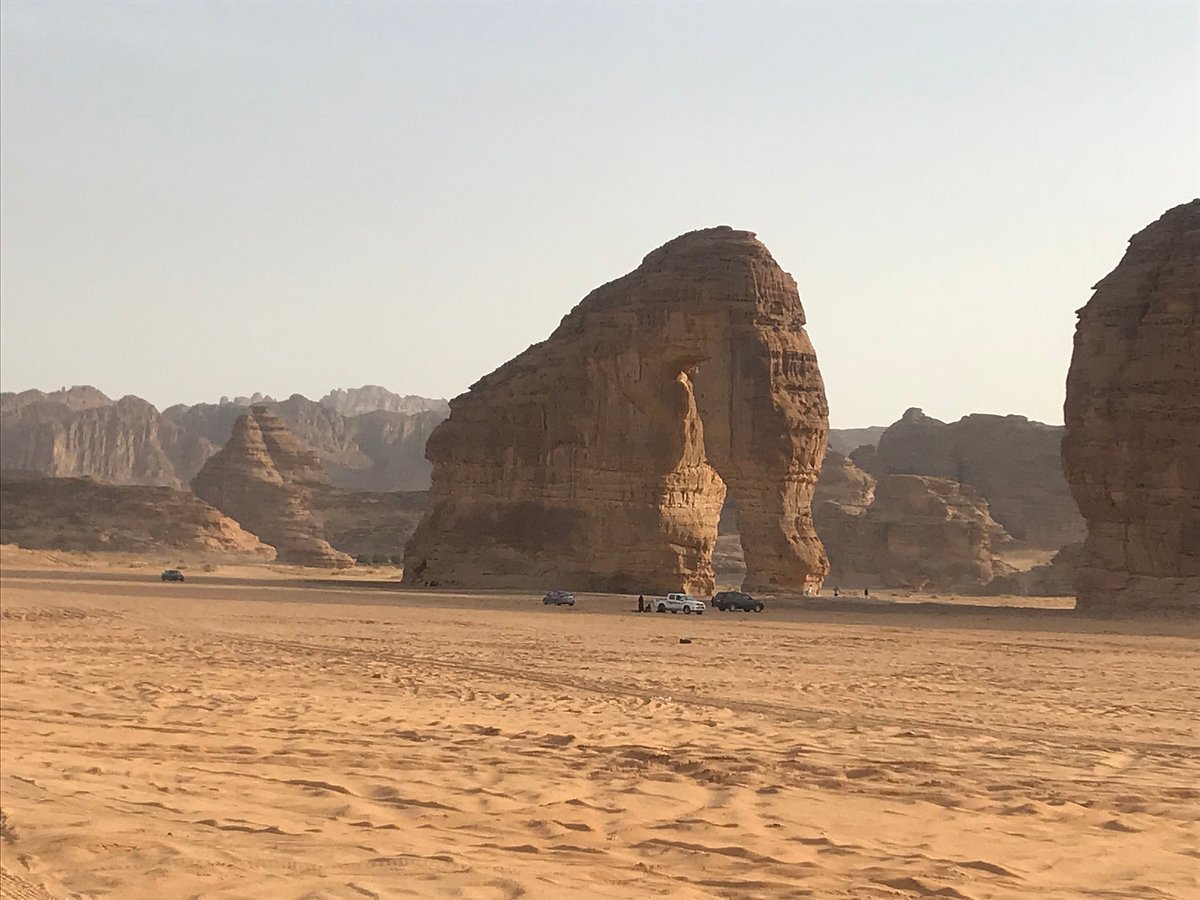
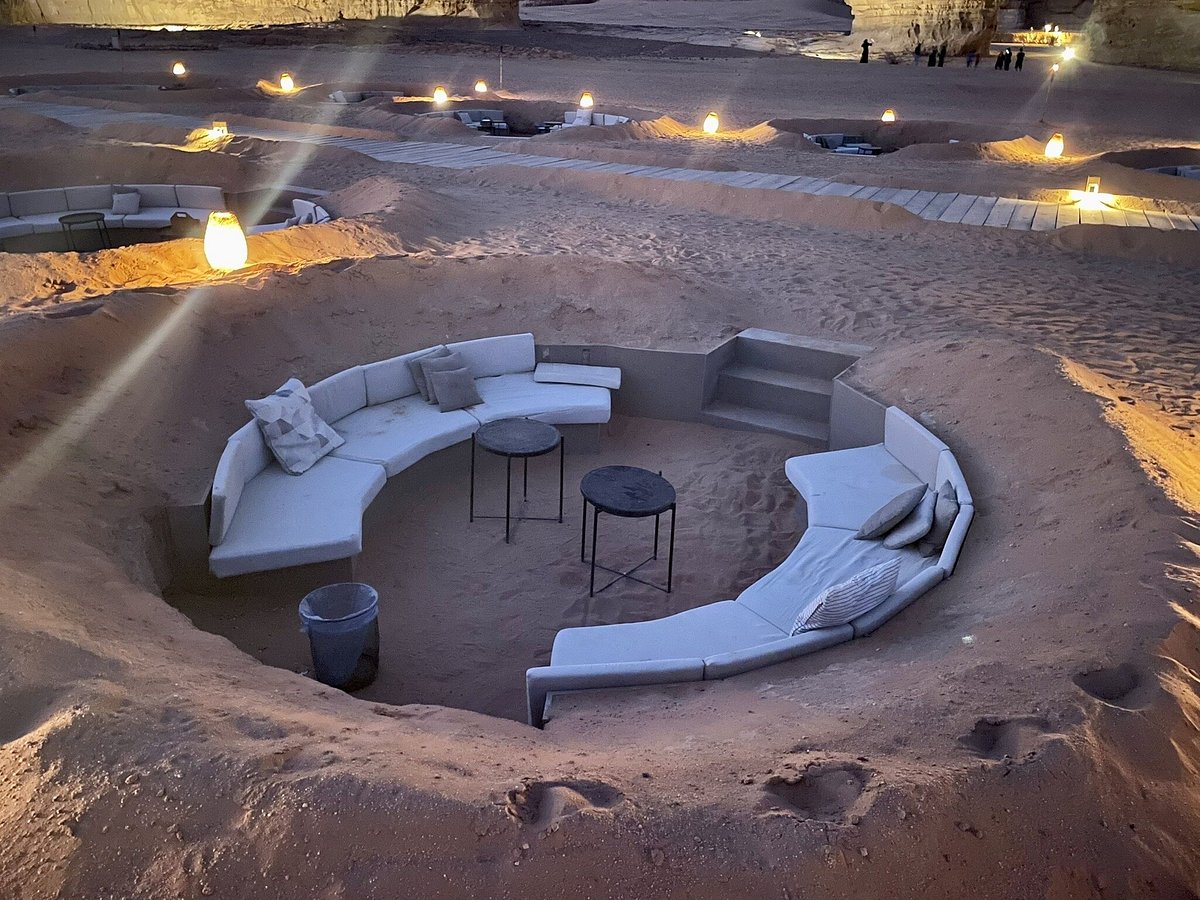
Elephant Rock
A natural rock formation resembling an elephant, offering stunning views and photo opportunities.
Images from: Trust Advisor
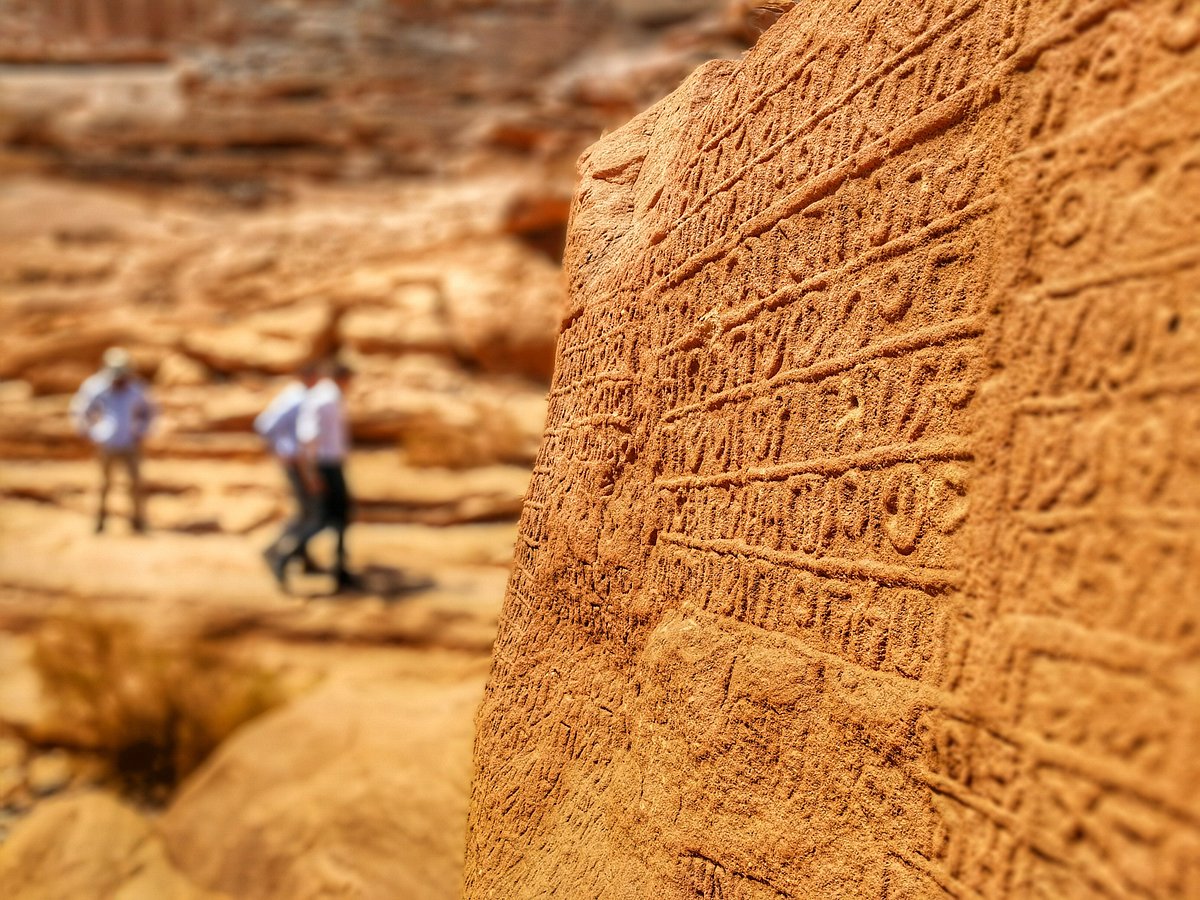
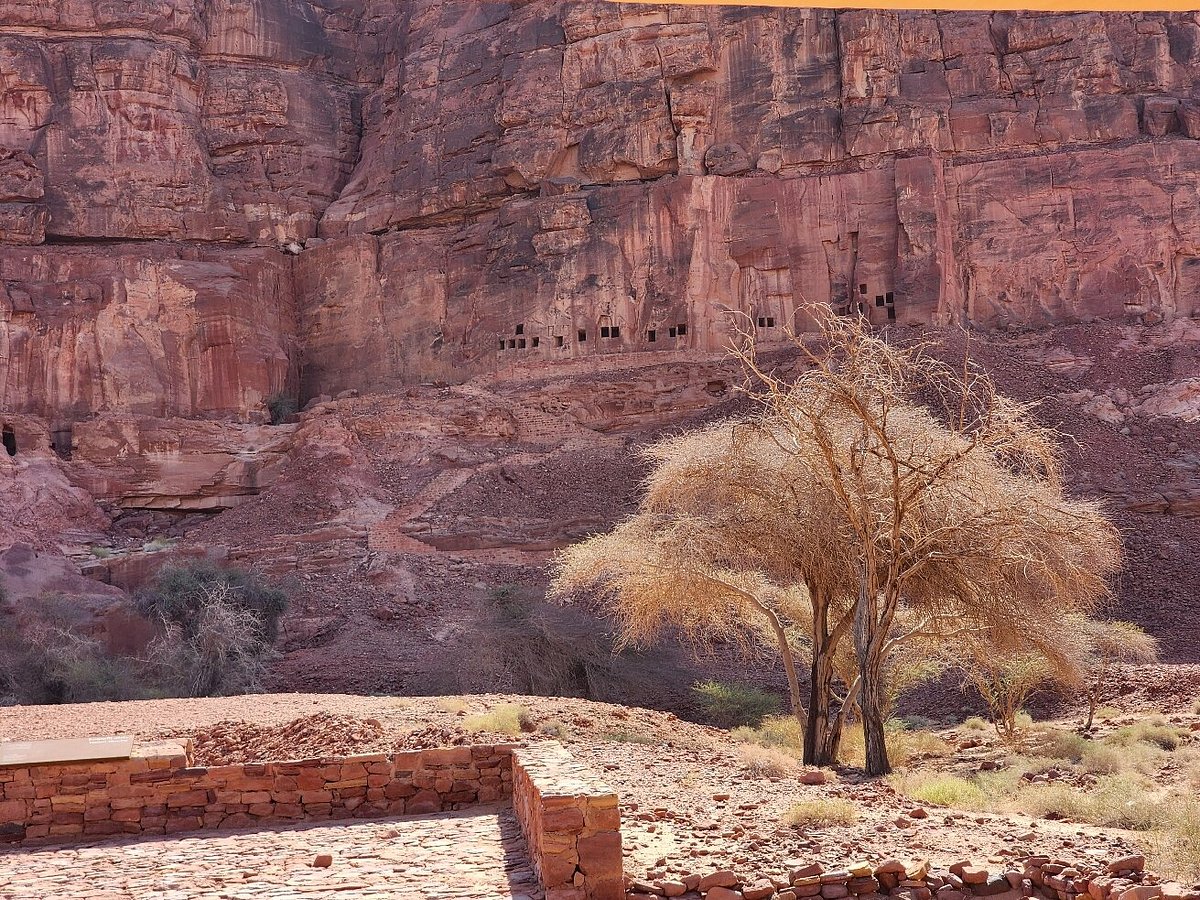
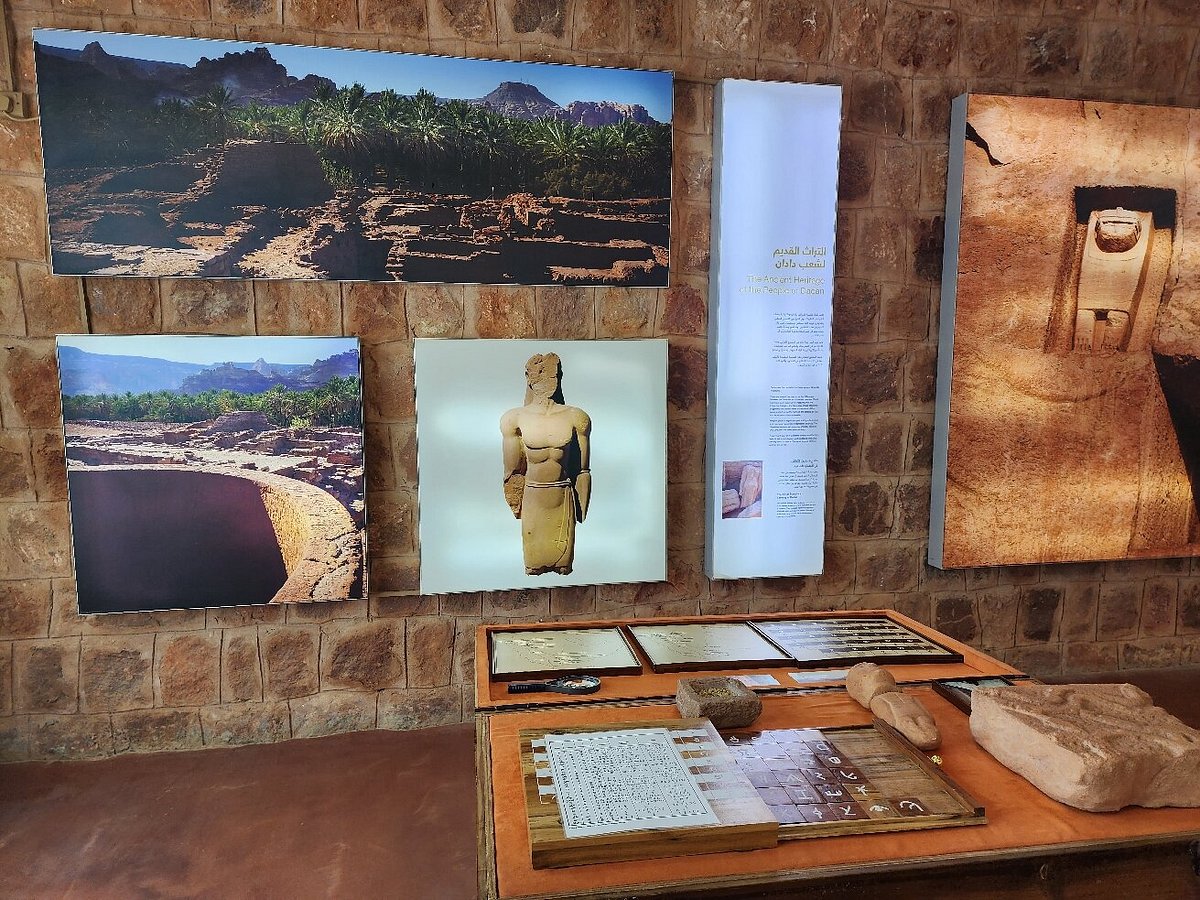
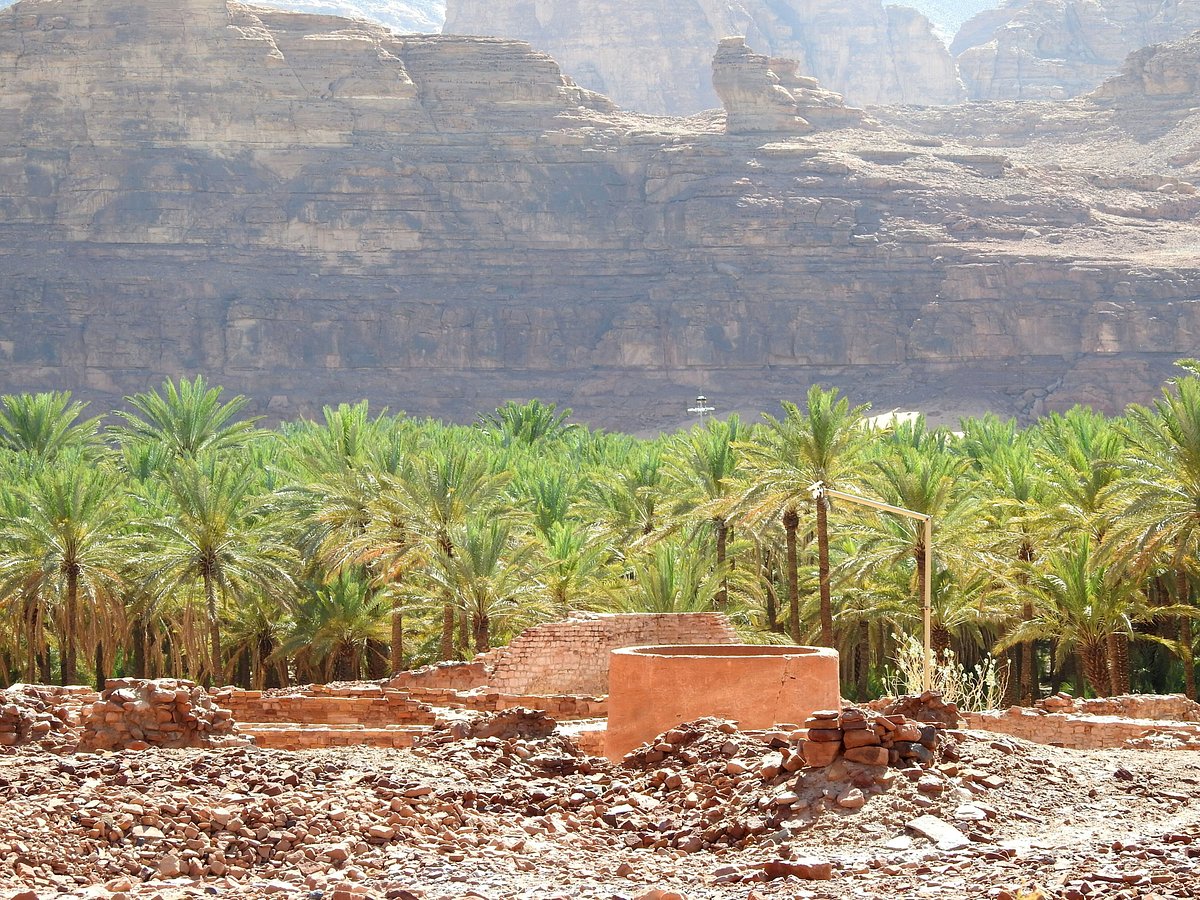
Dadan & Jabal Ikmah
Another ancient archaeological site with ruins of tombs, wells, and houses from the Dadanite civilization. You will also find “Jabal Ikmah”, or “Library of Stone,” it features inscriptions and carvings from different civilizations.
Images from: Trust Advisor
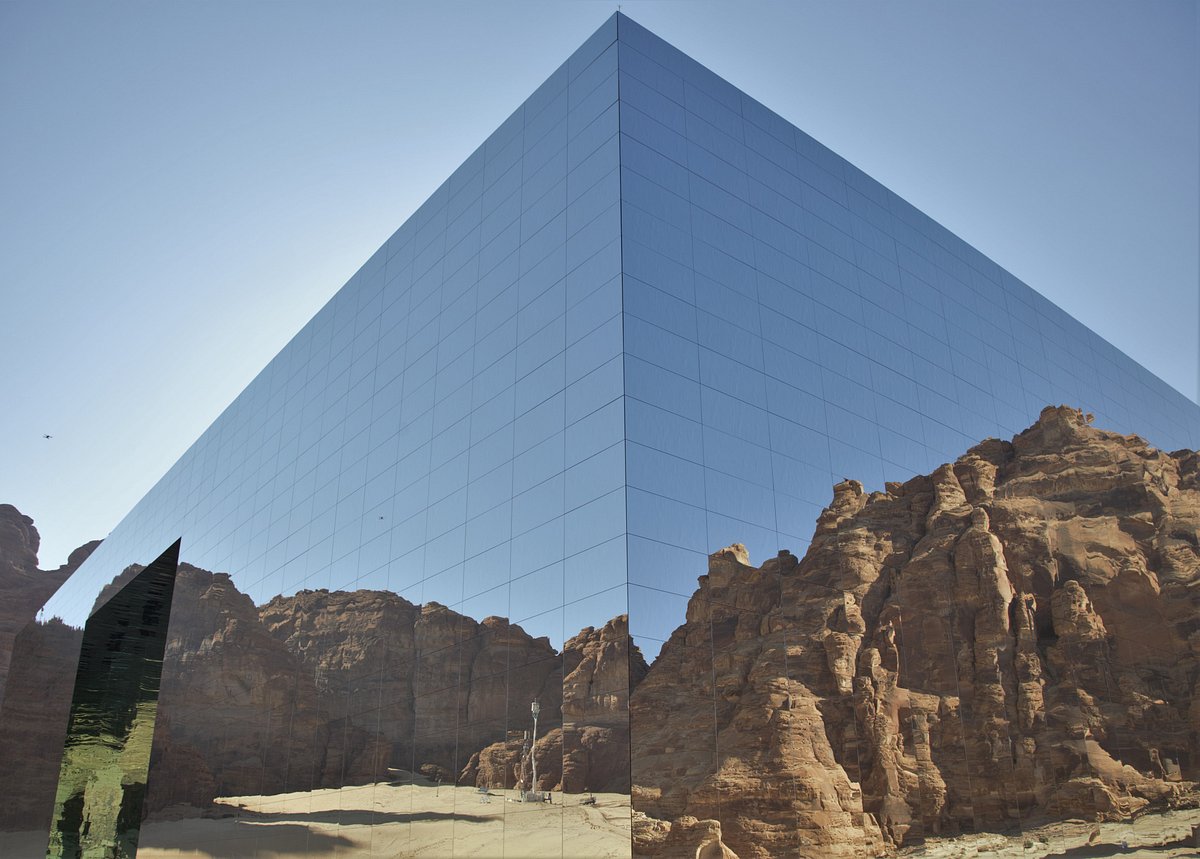
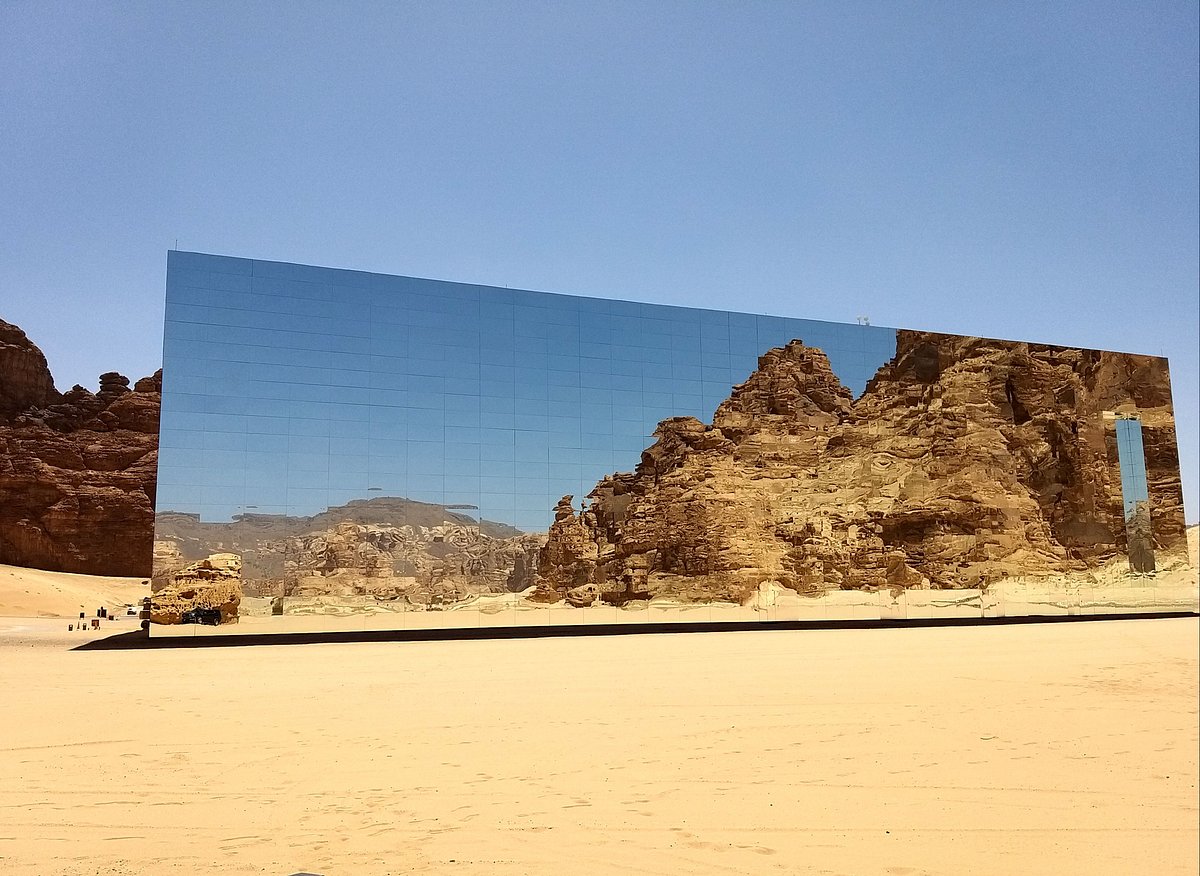
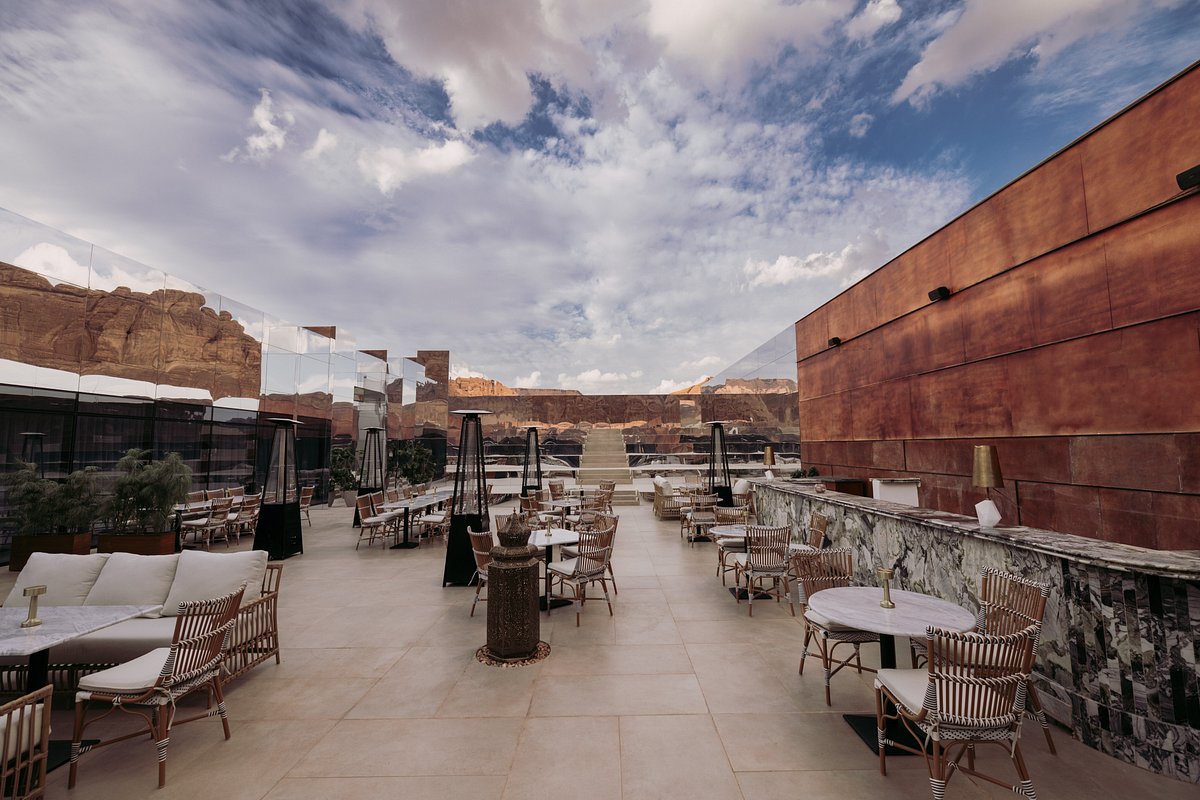
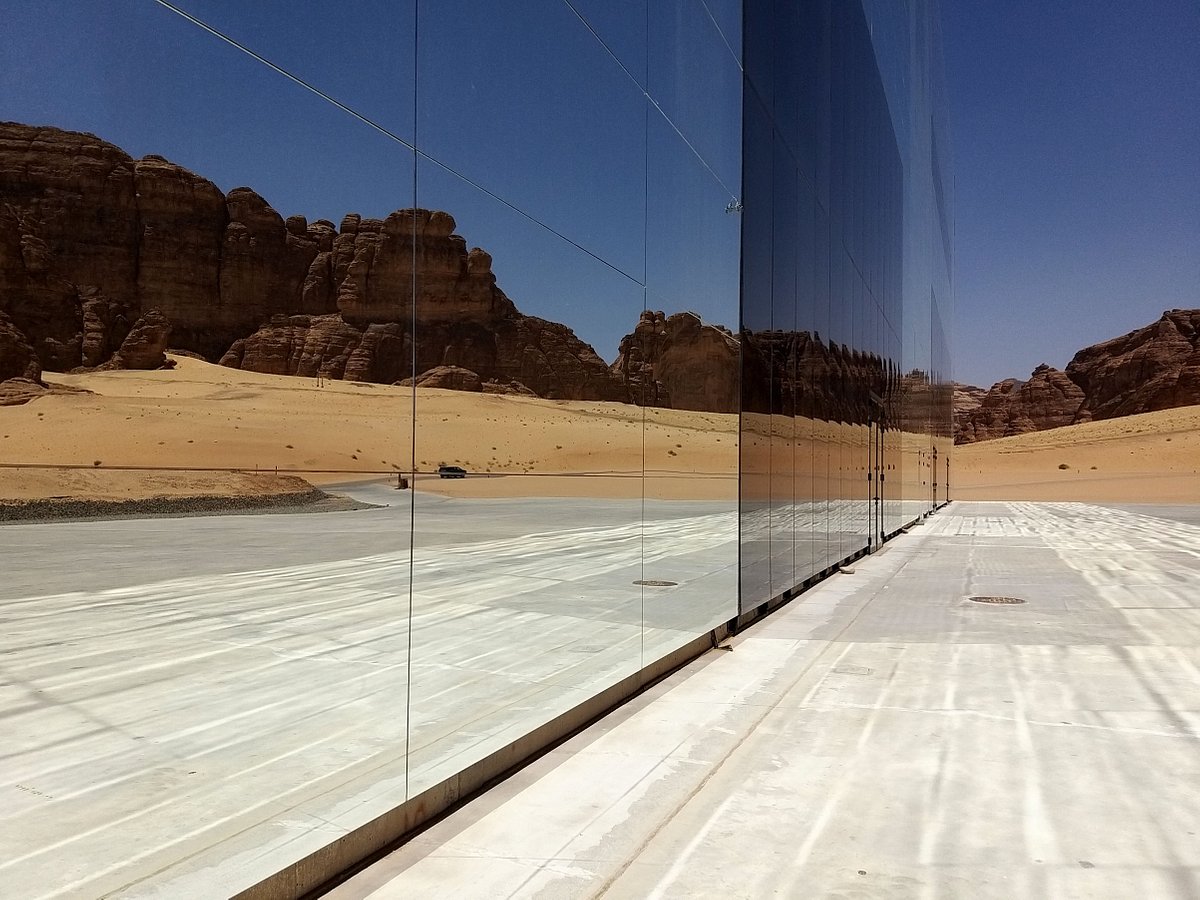
Maraya Hall
The world’s largest mirrored building, registered in January 2020 by the Guinness Book of World Records, a place where mirrors have been effectively used as a key design feature.
Images from: Trust Advisor
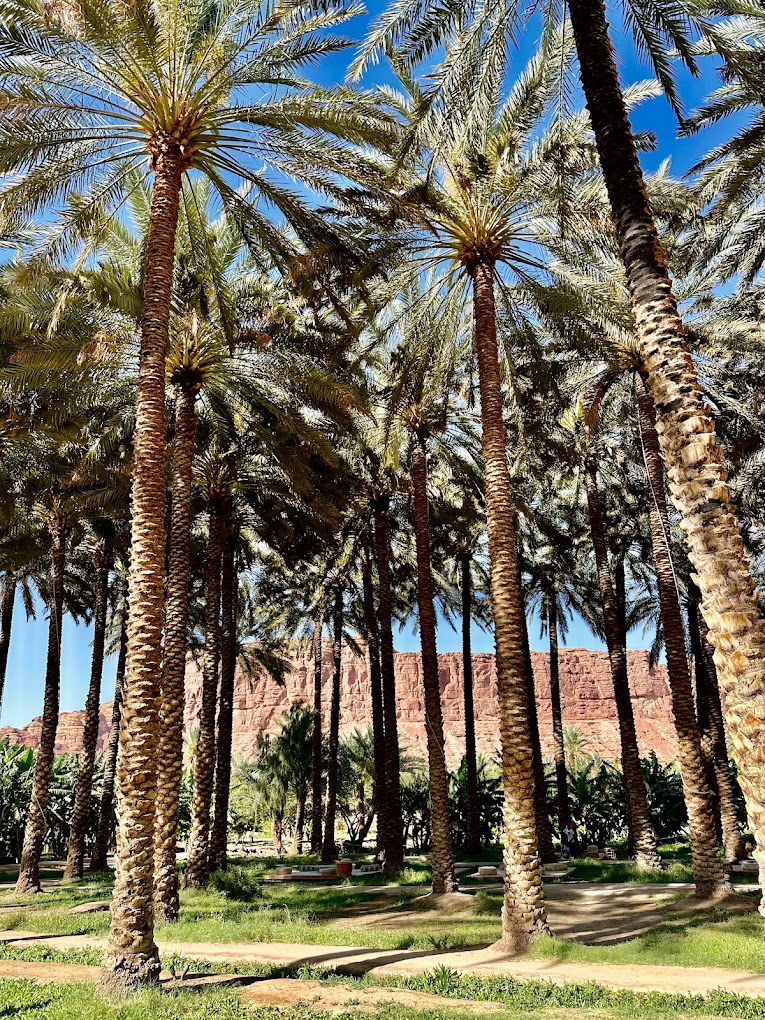
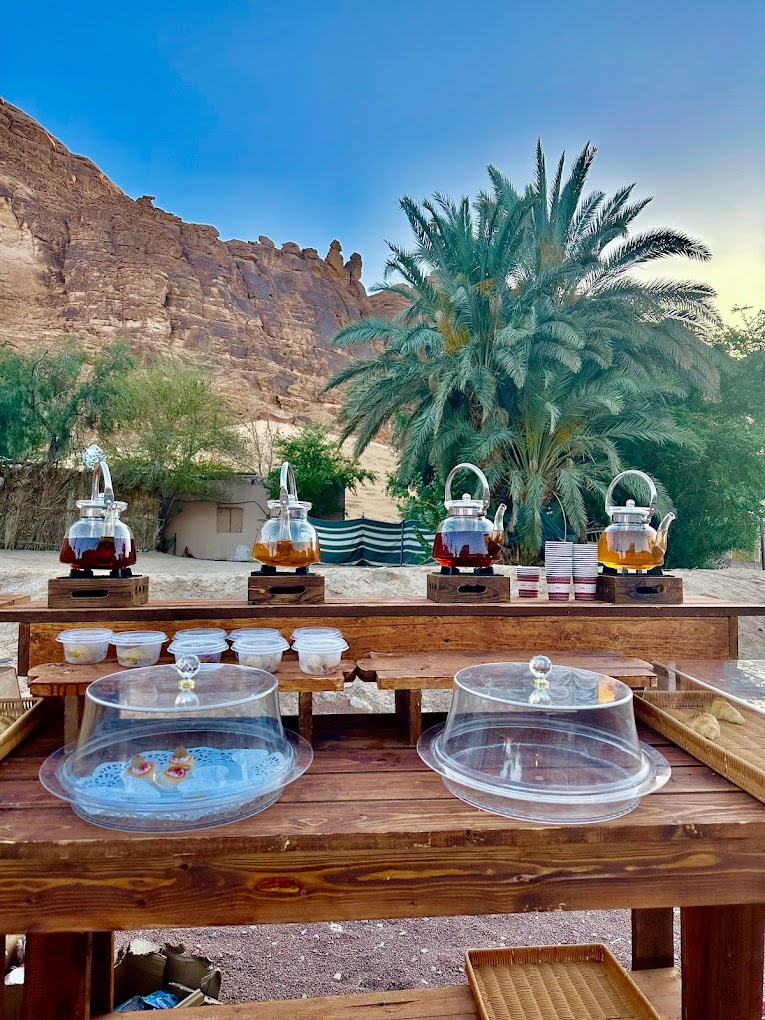
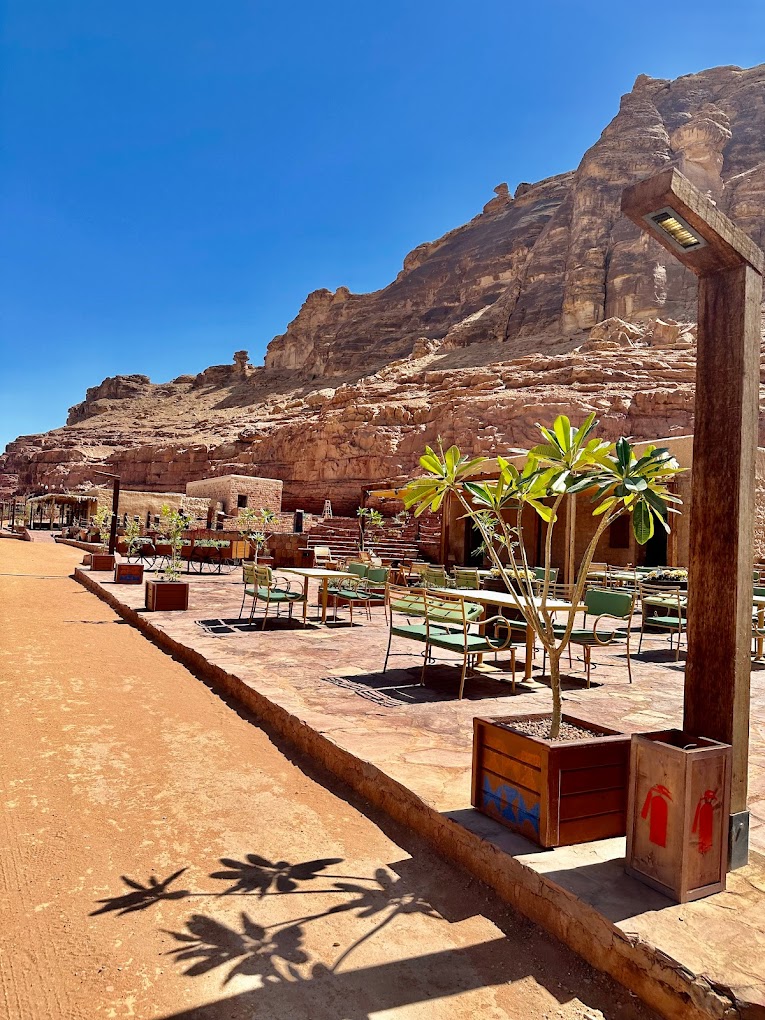
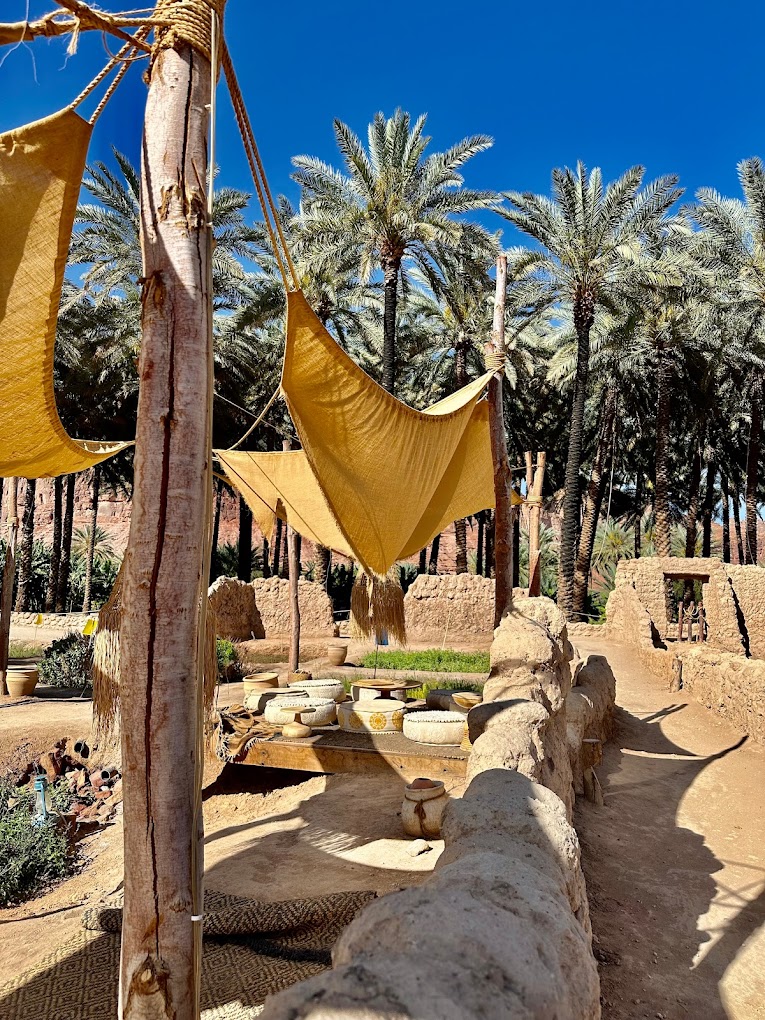
AlUla Oasis
A lush green area with date palms, providing a tranquil escape.
Images from: Trust Advisor
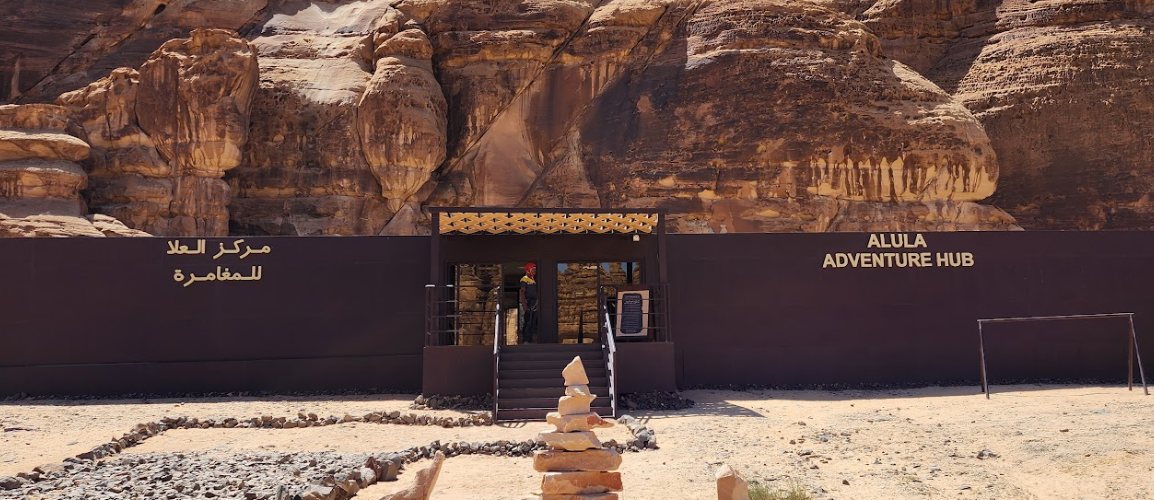
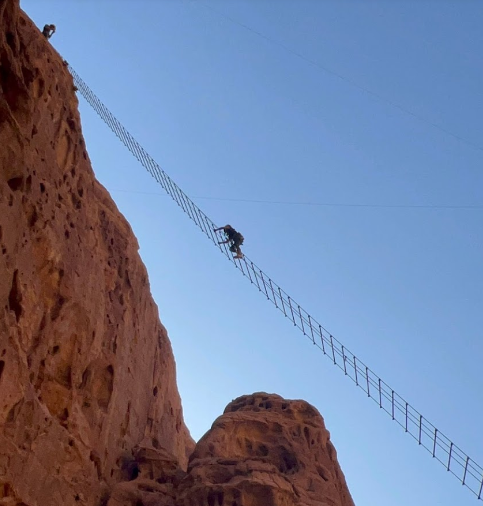
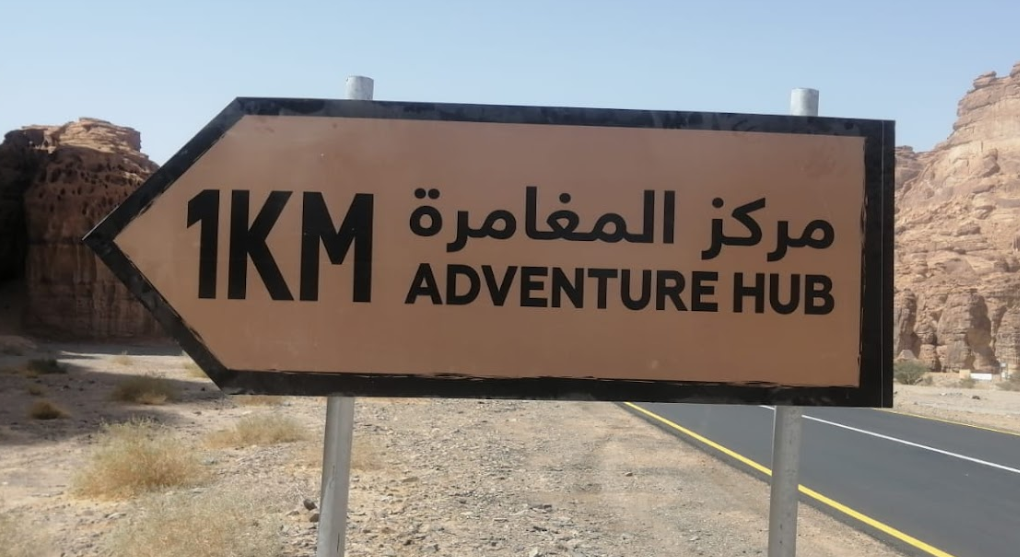
AlUla Adventure Hub
Perfect for outdoor enthusiasts, with activities like rock climbing and trekking.
Images from: Trust Advisor
Food/Shopping
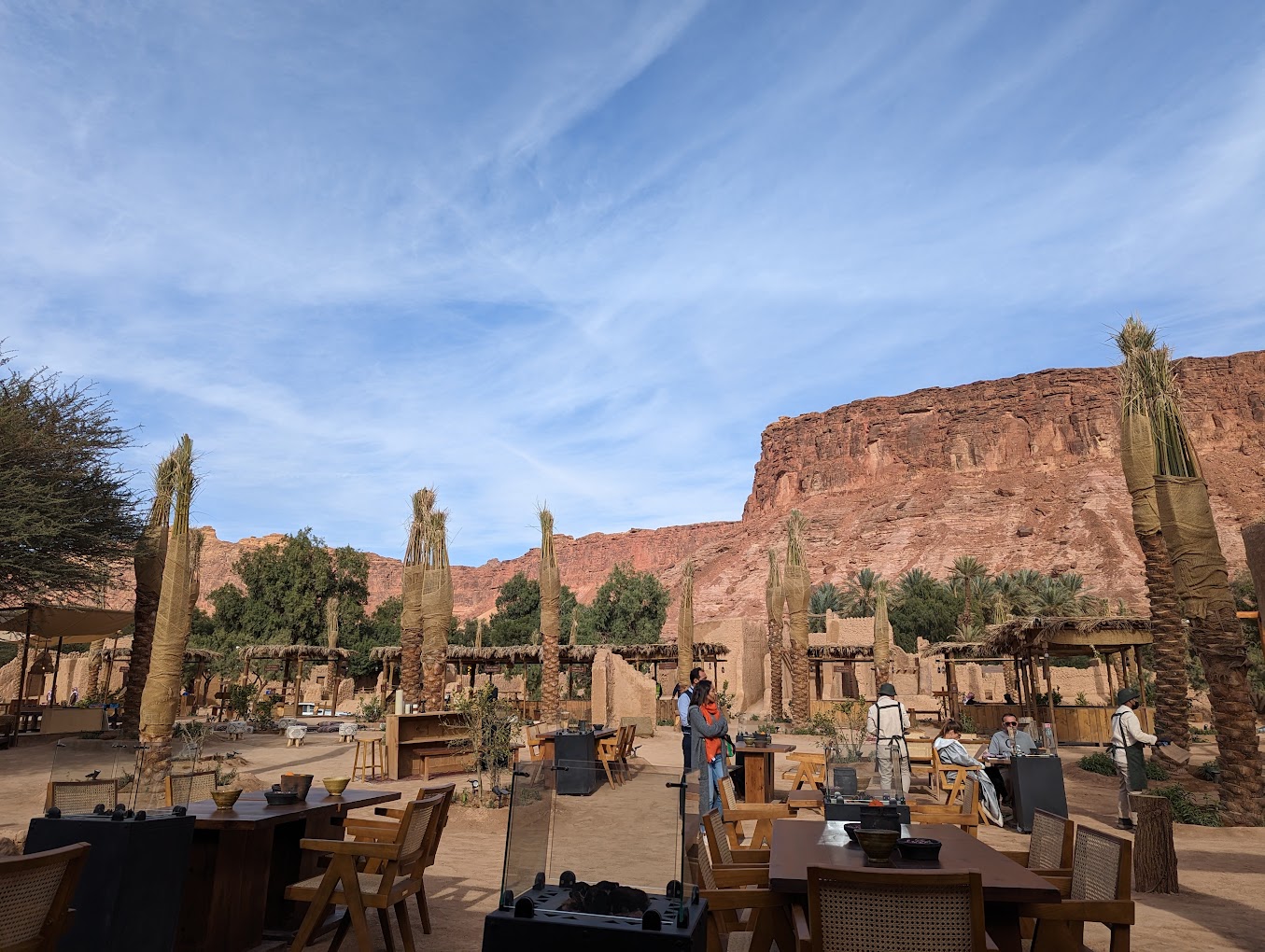
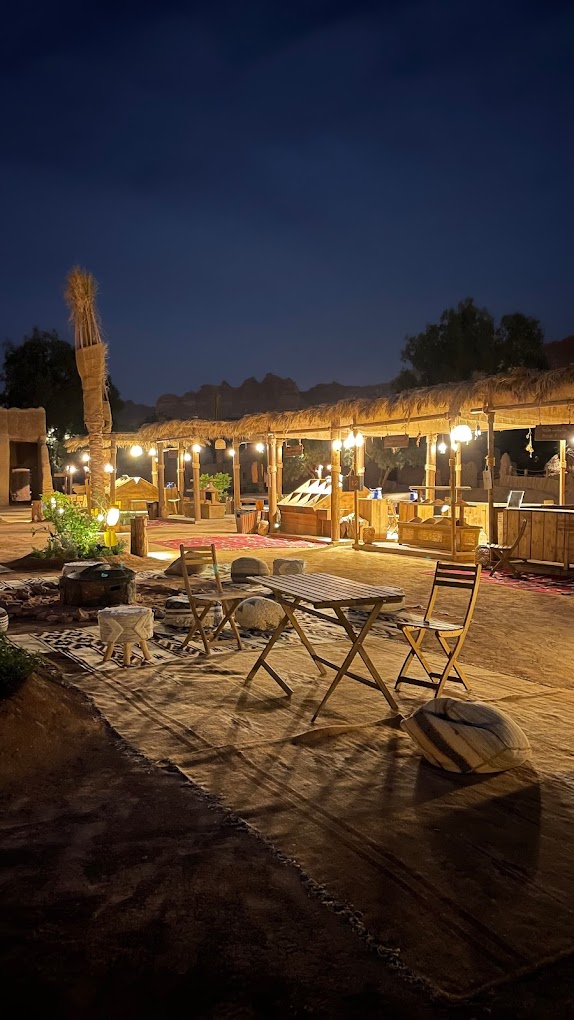
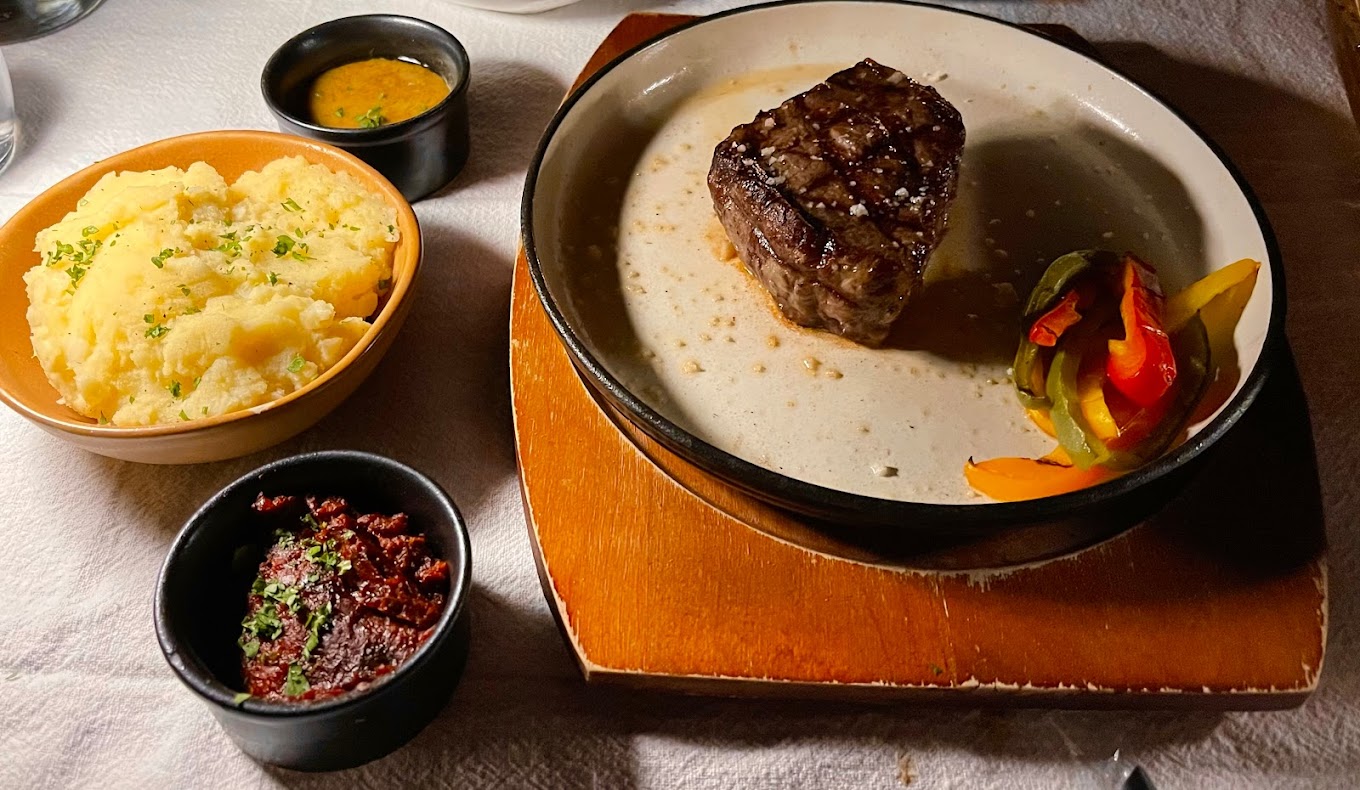
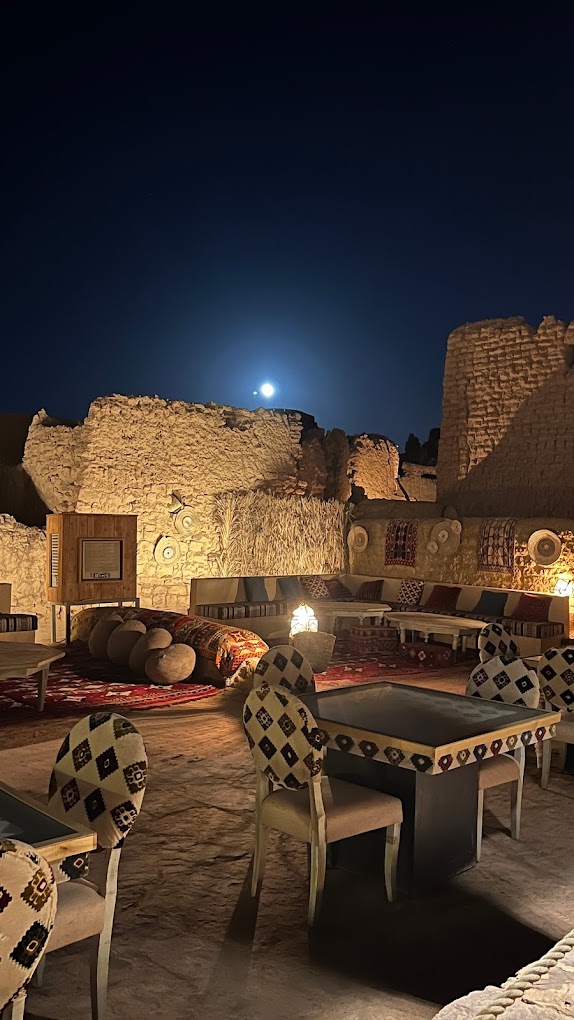
Our Top 3 Restaurants in Al Ula
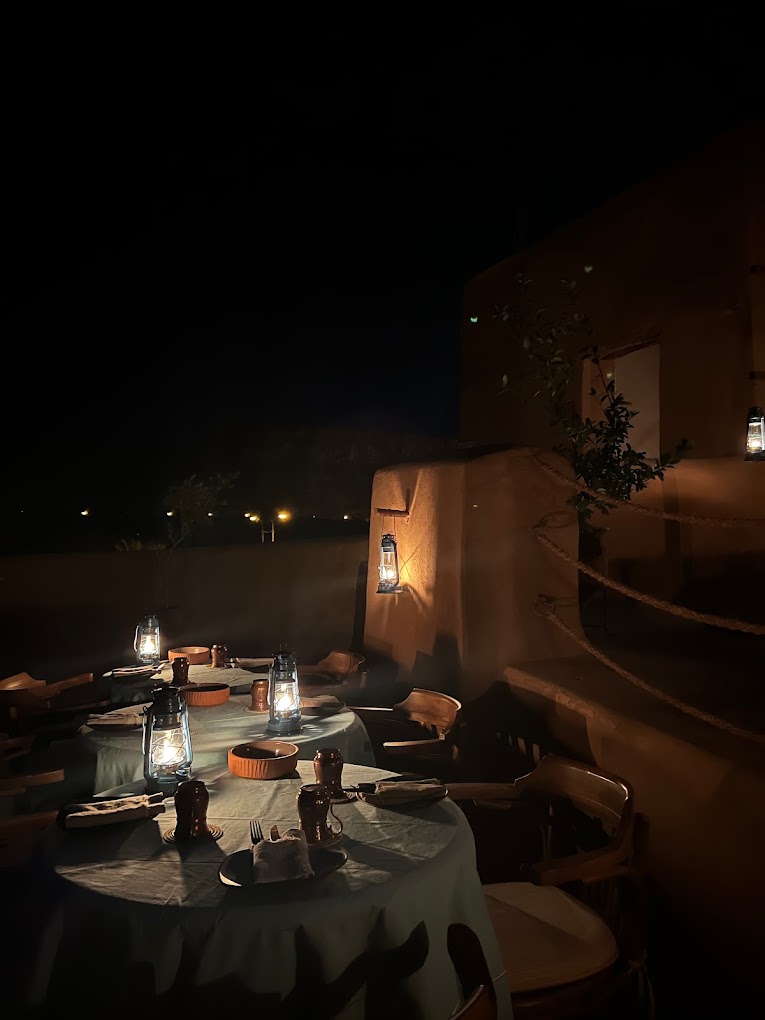
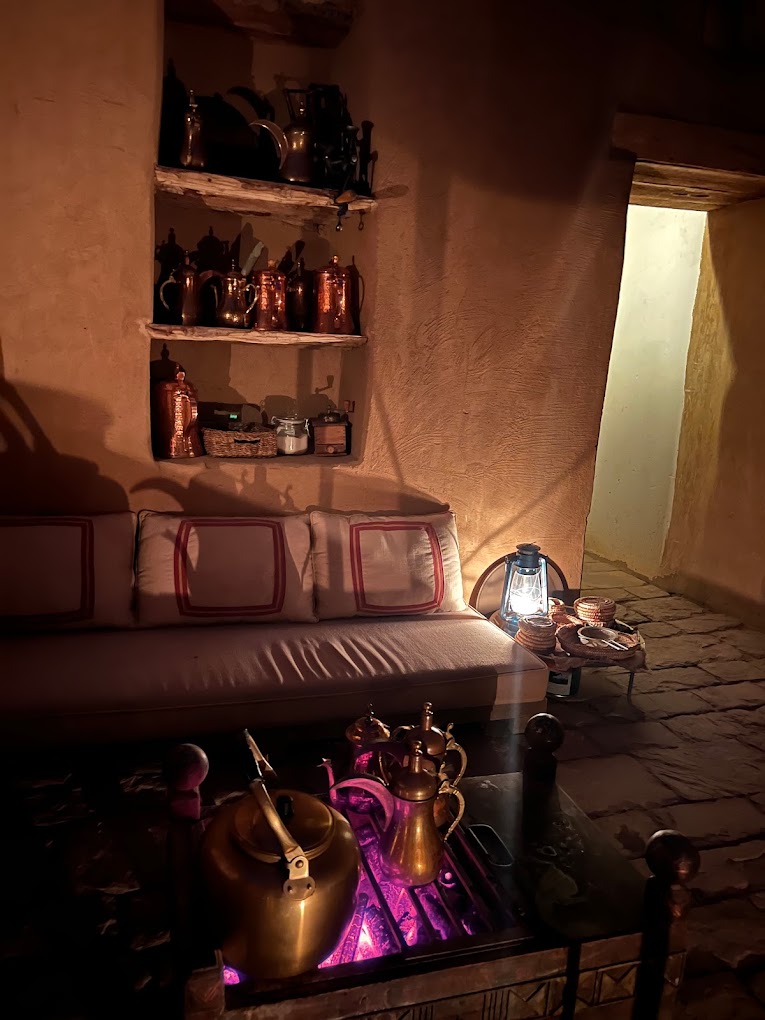
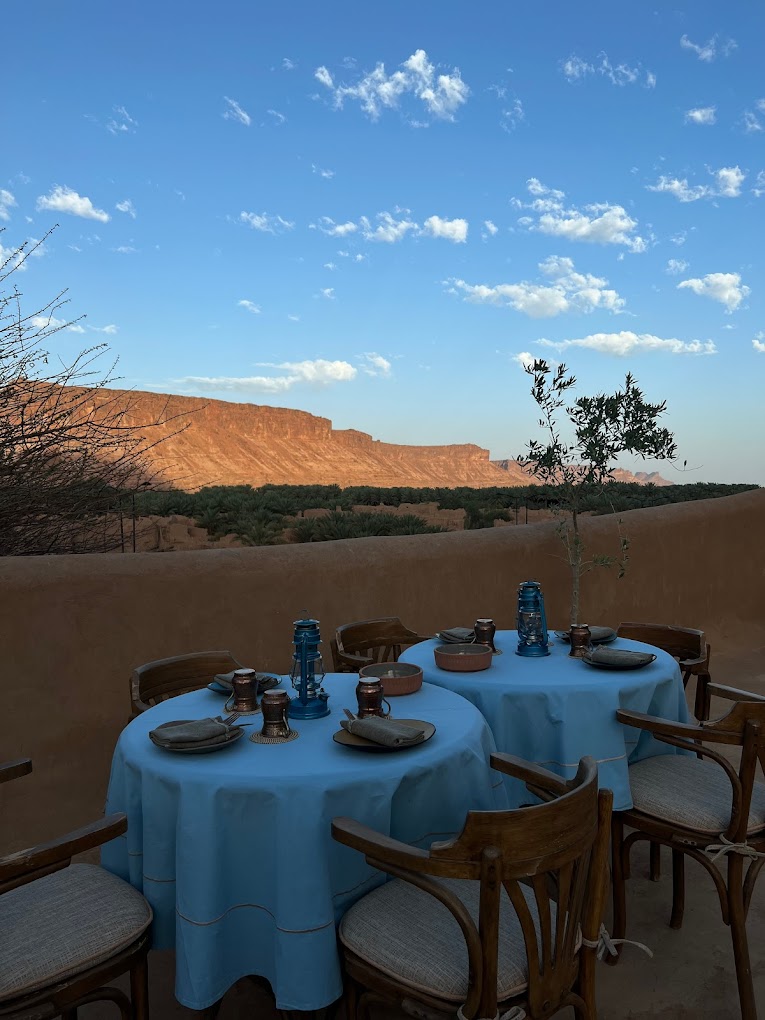
Testimonials
See what Our Visitors are Saying


Robyn R
Trip Advisor
No Self Drive. You have to book a tour. The bus option was 95SAR. Tour was about 2 hours long. Great tour guides that could speak English fluently and give the whole history of the area. They provided water on the bus and we could spend 15 min to take photos which was more than enough time. Don’t wear open shoes en some areas is a long walk on thick sand. Absolutely worth a visit.
Tanjavdw
Trip Advisor
I’m amazed and lost for words. The history is so rich and I am fortunate to be able to see traces of people that loved here more than 2000 years ago. Our tour guide was a lady from AlUla area and were very kind, knowledgeable and could speak English fluently. I would recommend people walk the stairs up to Lion Tombs, so get your sneakers out. The walk to Jabal Ikmah was not that far, and the inscriptions of 7 different languages were clearly visible.
Tanjavdw
Trip Advisor
Top Destinations in Saudi Arabia